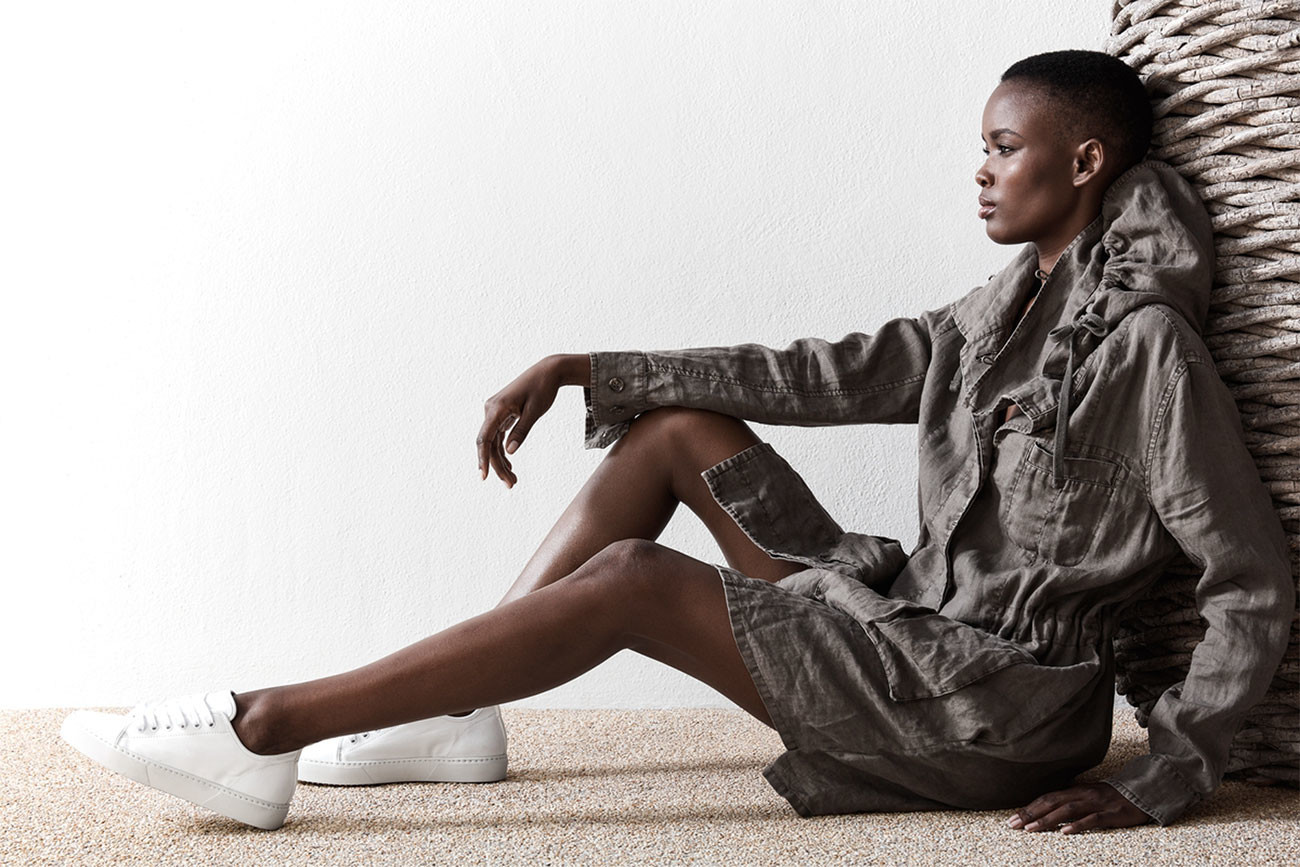
Flaviana Matata Rises To The Top Of The Modeling Industry Against All Odds

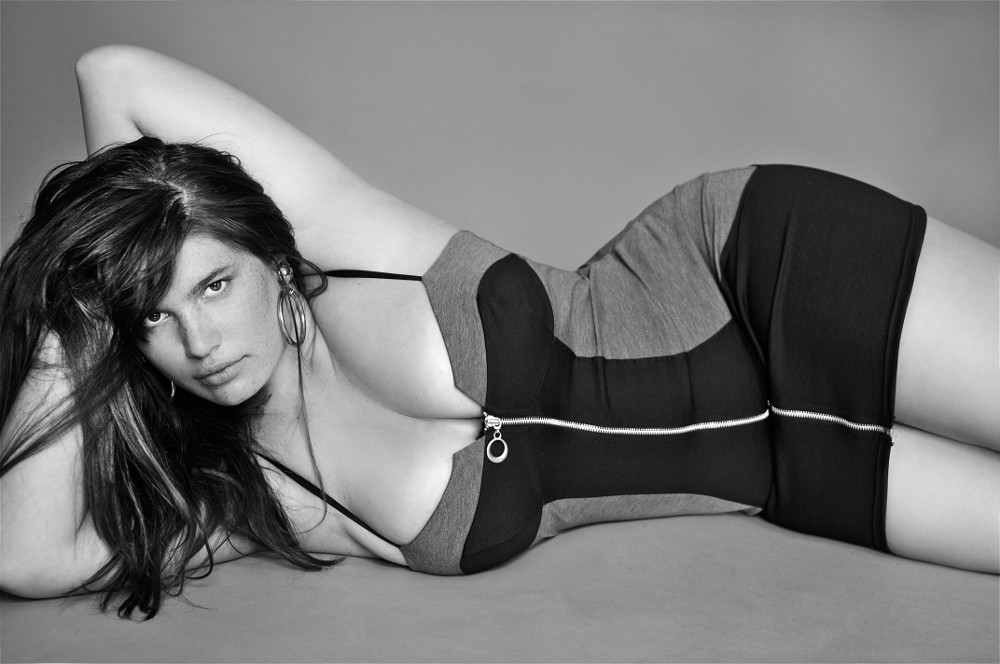
Tanzanian beauty Flaviana Matata has carved out her niche in an industry still grappling with what diversity looks like in 2018. In spite of set backs and a childhood mired in tragedy, Flaviana has channeled that adversity into empowering other women through her foundation and launched a successful nail polish brand. I spoke with the model, entrepreneur, and activist about her journey from Miss Universe Tanzania to using her platform to influence young girls through education and entrepreneurship.

Tell us about your childhood and how your background influences your approach to modeling.

I was born and raised in Tanzania, and my mom passed away in 1996 in a boating accident. We were very young, and it still bothers me to this day. I miss her dearly and wish she was still here with us, but God knows better. My dad remarried a year later, but I  don’t have any connection with his wife, apart from simply respecting her as my dad’s wife. She was never that woman who even cared that my little sister and I needed guidance as girls. We maneuvered everything by ourselves, but thank God our dad put us in a great school where we were able to learn a lot as young girls. I’m lucky we grew up to be so amazing and performed well in school. I am the oldest, so when I started modeling, I had responsibilities to make sure my siblings continued with school and supported them whenever my dad couldn’t help or just step in as a big sister. Thank God they are all doing great, so I now have less responsibility and I can focus on other things. To be honest, my childhood has nothing to do with modeling at all. I never thought I would one day be doing what I  am doing now. I can say what I have been through has shaped me into the woman I am today. I work hard, am disciplined, and extremely grateful. I can’t imagine doing anything else right now.

Tell us about how you were discovered. What are the biggest challenges you face modeling?

I  was discovered at a charity event in New York City, where we were raising funds to build a hospital in Tanzania. I couldn’t relocate right away for the job, so instead I had to work on my papers first for almost a year. Modeling has so many challenges, just like any other career. I didn’t have a mother agency or anyone to guide me through this journey, especially starting off in a new city abroad where I didn’t have any family. It was tough. I remember my first and only Paris fashion week, where I walked into a casting and was told that they were not seeing black girls. I insisted that because I was there they should at least look at my book, which they did, and they started to give me all of this negative feedback. There are amazing people in this industry but, there are also some that are very mean. I didn’t know any better, so I kept the incident to myself. Another thing I have to deal with, as a woman of color, is lack of diversity in the industry. There’s only one or a very few spots for us, and many times none at all. Fashion is universal and we are in 2018, but this is still happening. There are so many challenges, but I have always tried to stay positive. You have to stay focused, positive, have a thick skin, and concentrate on other positive activities, otherwise you can easily lose yourself and end up being miserable.

Tell us about why you started the Flaviana Matata Foundation.

I have been doing charity work for years. It really feeds my soul to help others whenever I can. Once I started modeling, I thought of young girls back home who really want to be in school and get the education they deserve but whose families can’t afford it. I was lucky to have the option to either continue with school or start modeling, but imagine those girls who want to be in school but they can’t because there are so many barriers, such as poverty. In short, I started the foundation as a way to give back to the community, and I am so proud of the many things that we have done through the foundation. Our girls will graduate from high school this year, and this makes me and the team so happy. Looking at the big picture, we are not only empowering these girls but also their families and communities.

How do you balance your time between modeling, your foundation, and your nail polish brand?

It is really hard, to be honest. I sometimes feel like giving up. Yes, I have those moments. It’s been hard, but no one said it would be easy. I always try to give everything my all, and thankfully I have a great team in Tanzania that helps with Lavy and the foundation, although it’s not easy to work with people in three different time zones. I keep going because they are things that I really love and am passionate about. Also, as a model, it’s sometimes hard to plan things in advance because of my modeling schedule. Thankfully I am now with an agency that really supports everything else I’m doing apart from modeling, so they understand it’s important for me to at least have an idea of my schedule, and it’s okay if I say no to some bookings because I  have something else to do that I can’t reschedule.

What are your long-term career goals?

I plan on going back to school at some point, probably next year. I also want to have a family, but the most important thing is to grow my business across Africa and here in the U.S. and to be able to support more girls through my organization.

How do you use your platform as a successful model and businesswoman to influence others?

I use my platform to empower young girls through education and entrepreneurship, but I’m also a great example that you can achieve anything no matter where you come from. Women can be whatever they want to be as long as they put their mind and focus into it. Having a support system is important, but if you don’t have any it shouldn’t stop you pursuing your dreams and goals. Push through and you will meet amazing people along the way. Another important thing that I would like to emphasize is the importance of supporting one another whenever possible. I am trying to be there for other people as I know how it feels to not have anyone.
Follow her on Instagram

Vinny Michaud On Modeling & Finding Catharsis Through His Artistic Process

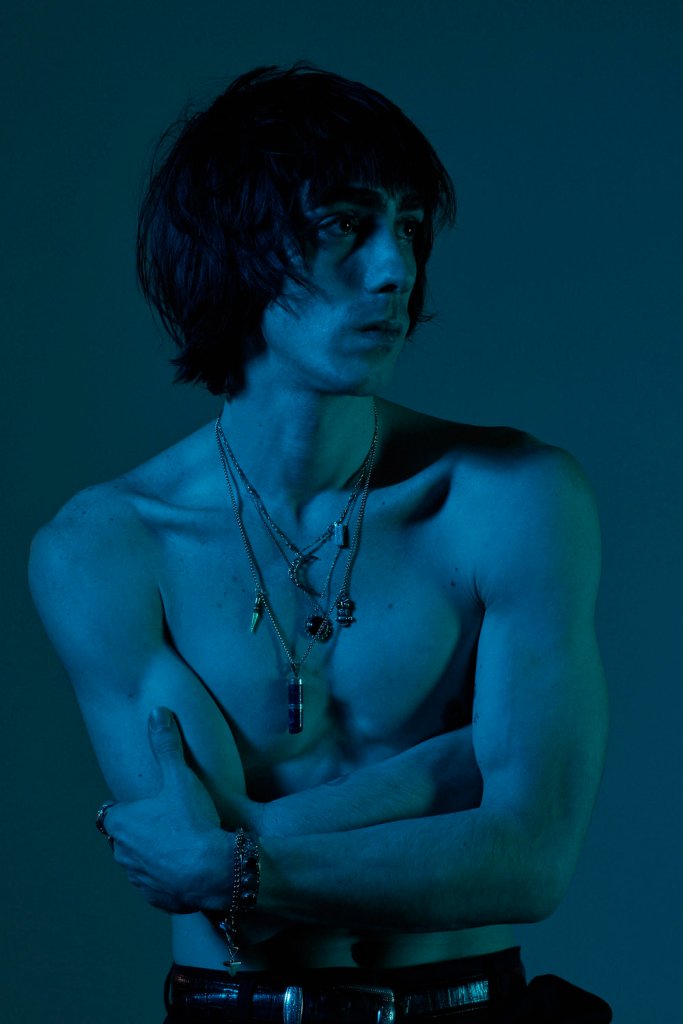
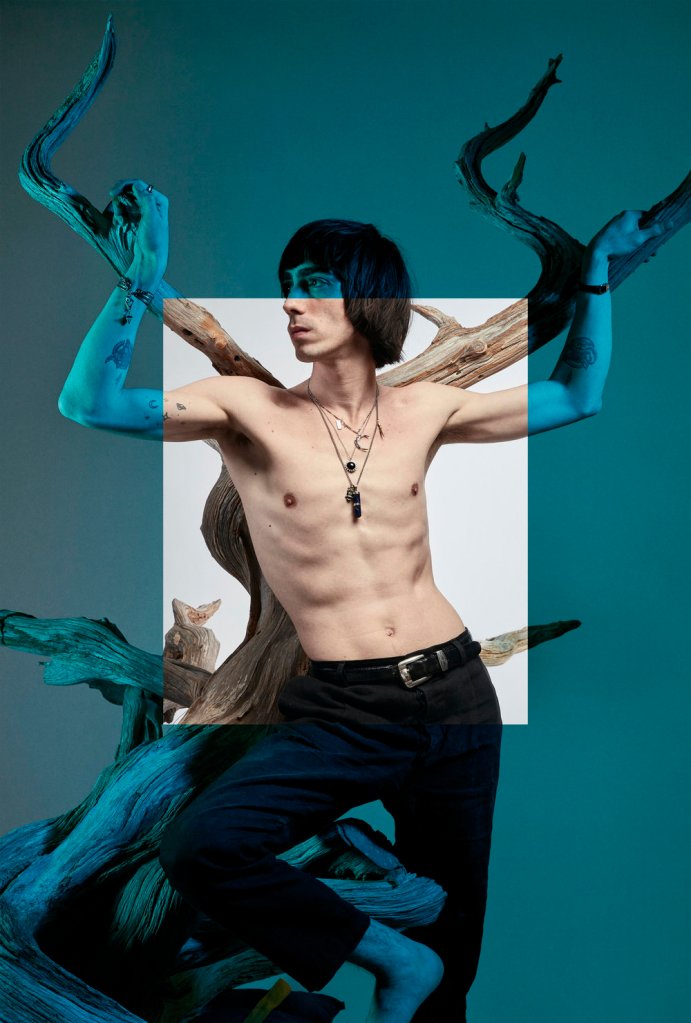
With a bohemian spirit that infuses all of his work, model, and artist Vincent ‘Vinny’ Michaud has forged his career on his own terms. From towering billboards over the streets of New York for CK One to the pages of Italian Vogue, Vinny has parlayed his talents into styling, photography, illustration, and music. I spoke with him about his unconventional upbringing and his journey to where he is today.

You had somewhat of a peripatetic upbringing. Tell us about your childhood.

Well, my childhood is a bit of a long story. I was born the youngest of three in a single parent household. I was raised by a very young mother who had me when she was 23 years old, so we kind of grew up together. That can be both a positive and a negative experience with the lines between these polar opposites and the lessons learned being vast and often blurred. We moved around a lot and that often left me as the new kid in school, which can be both a good and a bad thing. It can leave you quite lonely saying goodbye to friends and finding yourself the strange loner walking the halls of unfamiliar schools, hearing whispers of look at the weird new kid. On the other hand, it helps to solidify one’s identity with no room for fear and no choice but to be anyone but yourself. I was forced to learn how to quickly adjust and make friends. We often struggled with very little money, which was very hard but definitely taught me the value of hard work and how to take care of myself at a very young age. You quickly learn to be happy with very little.

Were you actively pursuing a career in fashion when you moved to Los Angeles and began working as a model?

Honestly, at that point I was 14 years old and had just been emancipated from my parents, so I was in survival mode and trying to not screw up my life. I know it sounds dramatic, but I had too many examples of who I didn’t want to be and was focused on creating who I would become. Even at that age, the one thing I knew for certain was that I was an artist. I knew art was the only thing that would save me and give me a life, so I did my best to take advantage of any and every creative outlet I could find. I did it all, whether it was painting, illustrating, sculpting and building things, dancing, or acting. I never pursued anything specifically. I was, however, highly aware of fashion, style, and aesthetics as a whole. It was really by accident that I started modeling around the time I was 15 or 16 years old. I was drawing portraits of people on the street for extra cash, and—you know the classic story—a photographer approached me to shoot. Honestly, I thought it was a bit of a pervy situation so I was slightly hesitant. I then came to find out the guy was an art and fashion photographer and was quite accomplished. I started shooting with him and then with others that same summer. I landed a great gig shooting on a weekly basis with Paul Jasmin’s fashion photography class at the Pasadena Art Center, which was great because I got paid weekly to just hang out with my friends and shoot. It was always creative and collaborative, and it became a regular exercise in performance art for me. I was on my way right back to New York for my first fashion week and signed with New York Model Management.

How do you think your background informed the way you approached modeling?

Good taste and aesthetics are qualities that may be able to be copied, especially in this day and age of oversaturation, but they are not qualities that can be bought—unless I’m styling you (just kidding). But seriously, growing up with a strong awareness of aesthetics in music, film, and art as a whole really helped. Knowing those cinematic and musical characters was everything, as well as understanding what is wanted and needed from you visually when you are a model and having the ability to become that. You have to create it in yourself and inspire it in those you’re working with—the photographers, stylists, and casting directors—regardless of whether or not you see it in yourself. For me, it was a lot easier to do that by treating it and translating it into an act of performance art. Now as a stylist, I understand it was also simply enjoying the fun of playing dress-up. It’s half acting and half being comfortable enough to be your true self. A fake person is never going to be as inspiring as a real human being.

Although you are probably most well-known for your modeling work, you’ve had a long and prolific career as an artist. How has your childhood informed your work and artistic identity?

Growing up in a harsh environment, the usual status quo is that art and sensitivity is a weakness. On the contrary, despite all my family’s problems and our ruff exterior, art was seen as a sort of magic that should be respected and celebrated. The joy and beauty it gives was understood to be priceless and an integral part of our collective identity as humans and creator beings. Though it may sometimes feel like it’s being used as just another tool to sell, it’s the one thing we can give ourselves and share with others that contributes to making the world a better and more beautiful place. At least that’s what it’s supposed to do in my opinion.

As an artist you employ various mediums: photography, fine art, and music in your work. Which do you think is the purest expression of yourself and why?

When people ask me what I do, it’s always a hard question to answer. Having to list off all my crafts becomes an exhausting task, and I try my best, but I always end the answer with I am a painter by nature because it was truly the first manifestation of my expression. From the first time I can remember, I’ve always been in love with creating images and telling stories by starting with drawing and painting what I see and feel. It was, and still is, a kind of therapy for me, and that tradition has continued through to every art form I’ve been a part of.

How would you describe your aesthetic?

Oof, that’s a strange one. I guess all I can say is Vinny—a weirdo, a goof, and a badass all in one. My own version of the father, son, and Holy Ghost manifested from the non-physical to the physical. Just like everyone else, I’m striving for honest individuality and connection.

Iconography is heavily imbued in your illustrations and paintings. Do you consider yourself religious?

Ay Ay Ay, that’s another hard one. I want to give the typical response of I’m not religious but I am spiritual. I believe we are all spiritual as the beings of spirit that we are. To me, religion is the ritual act we perform to express that spirituality and the search for truth and meaning we all crave. So, if my interaction and will to influence my own perception could be called a religion then yes, I am religious, but if you want to know if I worship any specific unknown entity I hold responsible for my creation, then no.

What or whom has been the greatest influence in your life?

My family. The good, the bad, and the ugly has, and will always be, a great influence on who I am, including my sister’s willpower, my brother’s strength and perseverance, my mother’s heart, and the memory of my father who passed away when I was young. Seeking to understand the man that he was and the search for my identity through that loss has made me the man that I am. I have to say that my best friend, husband, and partner in crime, art, and life, Pablo, has extremely influenced on who I am as well. The connection and constant source of inspiration he gives me proves every day to be the most beautiful and precious gift this universe has given me.

What would people be surprised to learn about you?

Probably that I’m actually a lot nicer than I appear to be before you get to know me. At least that’s what they always tell me. 

What projects are you currently working on?

Along with the constant styling, art, and fashion directing work I do, I’m currently involved in a few different projects at the moment per usual. I am in the middle of a long-term illustrating project that will be a combination of a graphic novel and animated film centered around the occult or hidden mysteries of our world, where I’ll be delving into the ancient world, our prospective future on this planet as humans or whatever we’ll become, and their effects on our current state. It’s a bit of truth and a bit of conspiracy. I’m also working on a directorial film piece that will combine poetry, music, art, and fashion, where I’ll be using the character of an artist moving through time as a metaphor to describe the hero’s journey. Last, but not least, I’m working on a couple of collaborations with my husband Pablo that I am quite excited about at the moment. The first being the book cover design for his third and latest publication of poetry, titled Bodies/Cuerpos.  This will be his first bilingual work in both English and his native language Spanish—his previous work all being in English. The cover design will also come along with a piece of animation I’ll be doing as well. The book is set for release this summer. The second collaboration is a project in which I’m acting as a kind of managing visual arts and media director for a brand new music project with Pablo as main vocalist along with fellow musicians and friends Florencia Zaballa Moon and Jamie Del Moon. I will be their personal band photographer, imagery maker (covers, posters, flyers), video director, creator of visuals for live shows, and simply put their biggest fan. I am so proud of this project and the amazing music they are making. With tracks set to be released this spring, keep your eyes and ears posted for this project. The band is called Ensalmo.

Follow Vinny on Instagram

Clémentine Desseaux On Challenging Fashion’s Status Quo

As the fashion industry grapples with changing norms and mores a new breed of model is helping redefine the parameters of beauty presenting an alternative to the staid and outdated blueprint of yesteryear. No longer content with a production line of homogeneity cocooned in ennui, models such as Clémentine Desseaux are challenging convention and slowly making inroads in an industry desperately in need of an alternative. Together with co-founder Charli Howard the All Woman Project continues to make strides toward diversification and acceptance.

Tell us about how you got started as a model.

I started this as a hobby back in France. I was trying to do something a little different and make extra money while studying. I didn’t think it would take me this far.

What challenges did you face starting out in this industry?

It was hard starting out in France because plus size modeling barely existed. Jobs were scarce and people did not see us as models. We weren’t treated the same. I actually did not like my first few jobs at all. I thought to myself why am I here many times. It wasn’t until I moved to the U.S. and worked for American clients that I started enjoying this.

Why do you think the fashion industry has been so hesitant to diversify?

Because people are scared of change in general. Why try bringing something new to the table when what you already have is working just fine? Change takes efforts and sacrifices along the way. It also takes visionaries who know there’s something more to be found. We’re still working on change every day and diversity is one of them.

How has the conversation around body acceptance and diversity changed since you began working as a model?

Oh it changed tremendously. It’s now a trend, which is good and bad. It’s good because everyone is now part of the conversation. It’s bad because whenever the trend is over the conversation might be over too. It’s our role to make sure the trend becomes a real part of our society and stays current until it doesn’t need to be mentioned ever again because it would have become normal to be diverse. There is still a lot of work to be done.

What does diversity look like to you?

Diversity is including all types of beauty regardless of age, size, color or gender. It takes a different shape depending on the industry and company but most brands are global and so are their target customers.

As global obesity rates continue to climb, the media continues to perpetuate thinness and whiteness as the ideal. Where do you think the disconnect comes in?

America is a land of extremes. We promote extreme whiteness and thinness to people who are dying from consuming bad food made from artificial ingredients and full of saturated fats. It’s all about measure and balance. Making the ads less unrealistic while improving the health issues the people are having is the way to go for me. It’s all related.

What changes would you like to see the fashion industry implement to address this issue?

I’d love to see our fashion leaders take risks and stop repeating the same mistakes over and over again. We now know that bad messaging in fashion magazines has ruined many a girls self-esteem and is responsible for a lot of women’s issues with their self-worth. It created food-related issues and distorted the image a lot of women had of themselves. Both are related to portrayals of unrealistic body images. Why are we still seeing cover lines such as The Most Extreme Diet of the Year or The Best Beach Bodies of the Summer or Lose 10 lbs in a Week all over the press? It’s time the media took responsibility and actually helped women feel confident, self-satisfied and empowered. We’ve had enough.

I spoke with Charli (Howard) last year about The All Woman Project you both started. Can you tell us about the feedback you’ve had about the foundation.

It’s been a great ride. From a single campaign we created to denounce the lack of diversity of fashion, month people began to talk about it, which led to a series of campaigns with amazing partners and turned into a full-blown charity last year. We’re now starting to organize our school program in order to bring diversity and self-love to schools country-wide and hopefully soon world-wide with a European campaign planned for this summer to reach girls over there too. We just landed our first ever beauty collaboration with our friends at BABOR collaborating on the packaging design. We’re launching our first clothing line collaboration in a month and getting ready for our Women’s Day campaign. There’s a lot in the works! Let me know if you know any volunteers that can help.

What message would you like anyone reading this to take away?

That they are enough. They have the potential and they don’t have to fit in to achieve anything on their vision board.

Follow her on Instagram

2017: The Year in Review

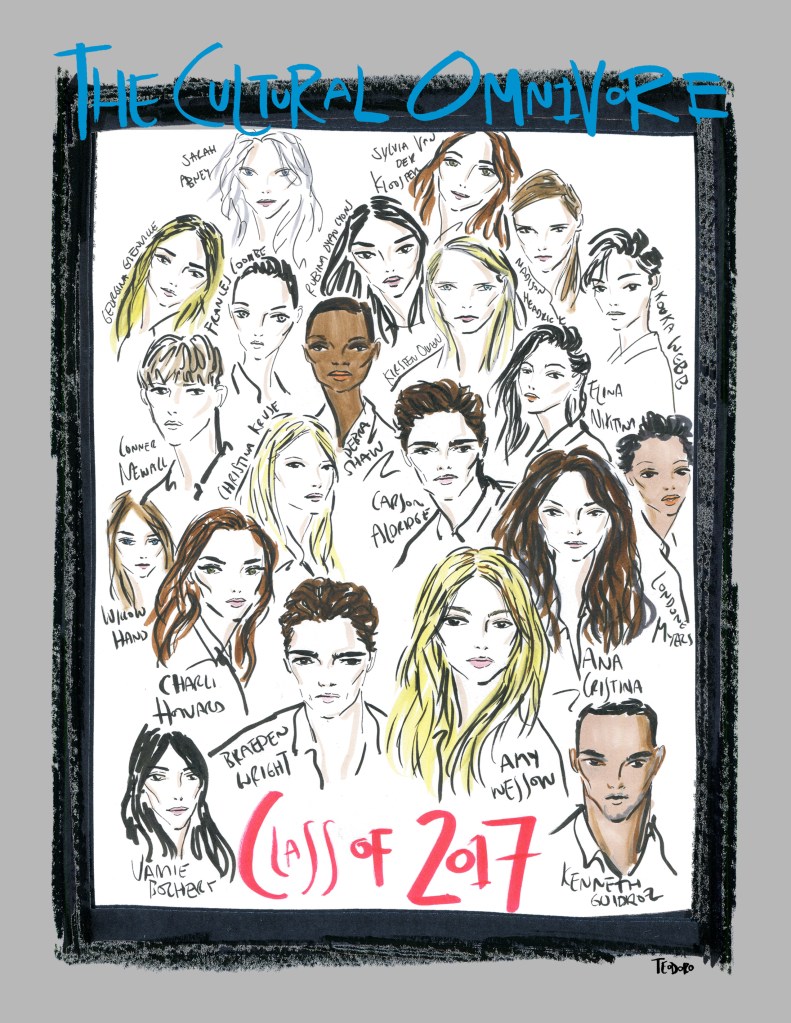
As we enter 2018 I hope it is with a renewed faith and joie de vivre after a year that many felt fatigued by. Last years focus was solely on models, an unconscious decision, but a serendipitous one nonetheless. I spoke to industry icons Kirsten Owen, Georgina Grenville, Christina Kruse, Jamie Bochert, Debra Shaw, Sylvia Van Der Kloosterand Amy Wesson as they reflected on their stellar careers. The new generation of models Charli Howard, Madison Headrick, Ana Cristina, Elina Nikitina, Willow Hand, Frances Coombe, Kenneth Guidroz, Sarah Abney, Londone Myers, Carson Aldridge, Kouka Webb, Rubina Dyan, Connor Newall, and Braeden Wright shared their stories, hopes, and dreams as they make their mark in the fashion industry.

Thank you all for your continued support and I look forward to seeing where the next year takes us.

Craig

Kirsten Owen, Modeling’s Queen Of Cool, On Helmut Lang & Everything Fashion

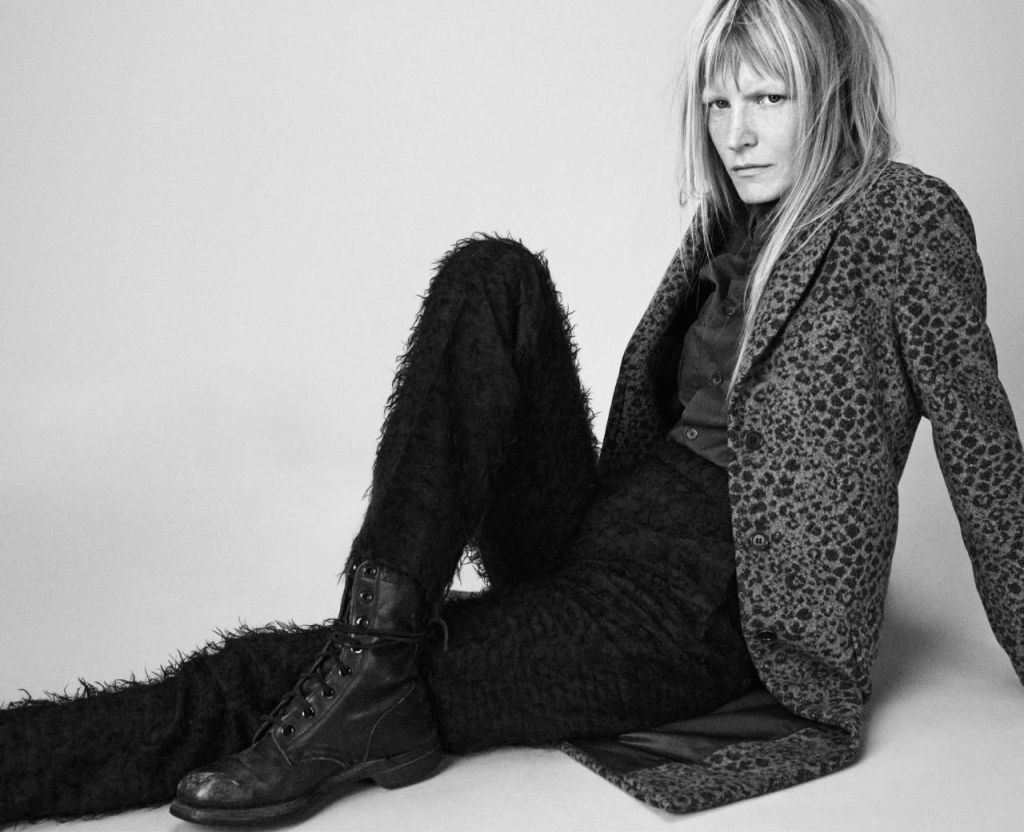
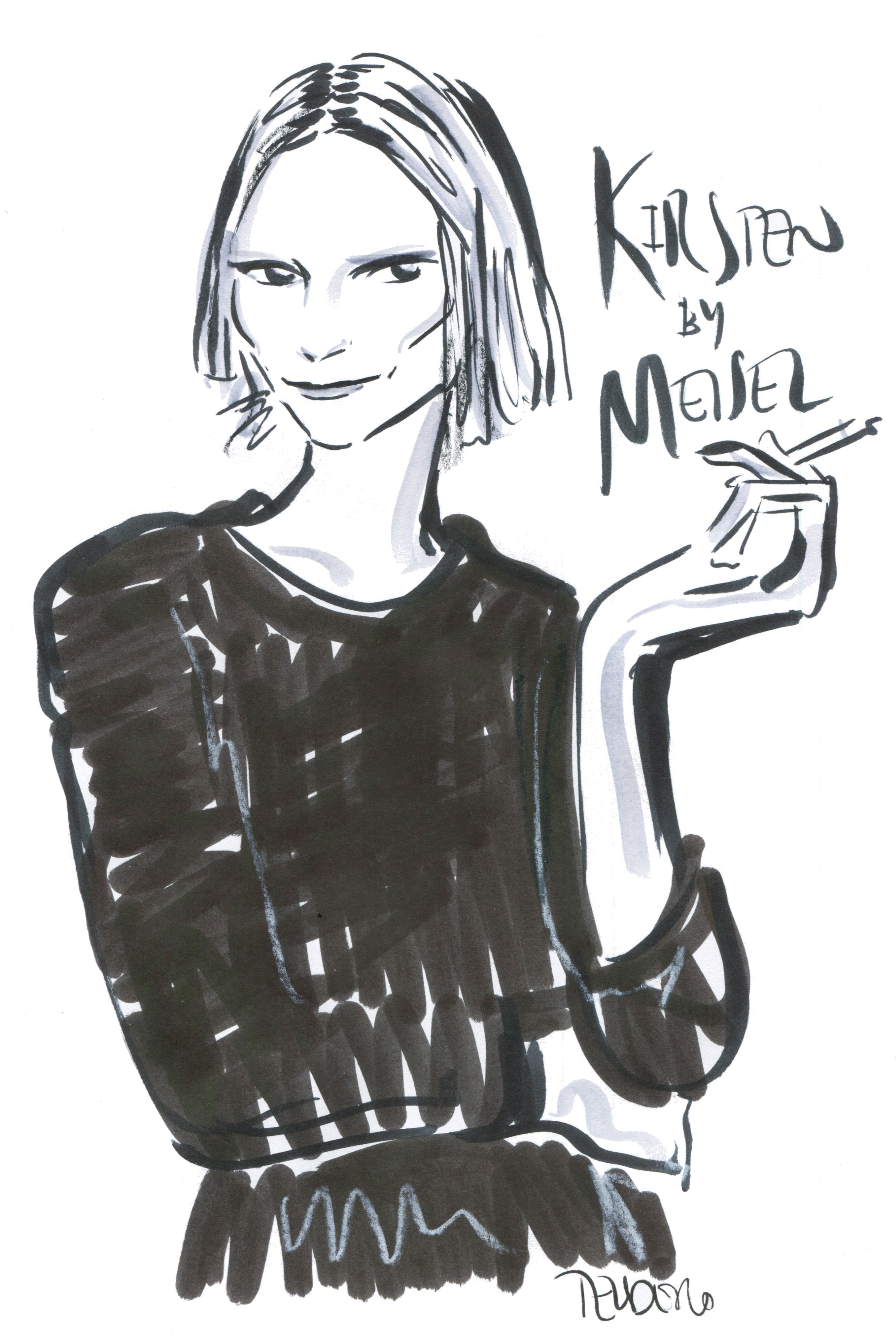
Kirsten Owen, the iconic 90s model who represented anti-establishment grunge, spent her childhood in an old log house in Eastern Ontario with her mother and two older sisters. The rugged and raw backdrop of her youth would provide a huge contrast to the dizzying heights of the fashion industry and the coveted circle of models she would later find herself in. Kirsten transcended what it meant to be a model and became not only a muse to many in the industry but the face of a movement, imprinted in time. I spoke to Kirsten by phone as she recalled her humble beginnings and reflected on her legacy.

How were you discovered? Was modeling something that you always had an interest in?

When I was 12 we moved from Eastern Ontario to Toronto and that’s when people started saying that to me that I could be a model. I was a really shy and quiet kid and didn’t have a group of friends, but when we moved to Toronto I fell in with this crew of punks who took me under their wing. I finally felt included in something and left home when I was 14, but I didn’t start modeling until I was 17. Between those years I was living with my boyfriend, and then when I was 16, I started working at the Big Bop in Toronto. This other model who used to hang out at the club told me she was going to introduce me to the owner of the agency she was with. She dragged me into the Judy Welch agency in Toronto where I was signed but I didn’t do much modeling until I went to Paris a year later.

This would have been the late 80s, right? I know that you did the cover of Elle, among other things, and then there was a gap. Was that a conscious decision you made?

No, I think in modeling it always ebbs and flows. When I started in Paris, I was doing a lot of Marie Claire, French Elle, and some British Vogue—stuff like that. I was 22 when I had my son, and I decided to go and live in New Mexico. At that time the mentality was once you have a child, you are done. I got a call from my agent saying Helmut Lang wanted to fly me to Paris to be in his show. This was the third or fourth show for Helmut that I had done. I wasn’t really expecting that, but I was happy with it. I did the show and then decided to move back to Paris because more stuff was happening and I realized that I had to be working. Then I worked with Juergen Teller for i-D. At that time, this was the early 90s and I hadn’t really been thrown in with those creatives in the business yet. I was doing more safe kinds of work.

I grew up in the north of England with magazines such as i-D and The Face in the nineties. My first impression of you as a model was this edgy, cool girl. Would you say Helmut and Juergen were your biggest advocates?

Yes. In the very beginning it was Julien d’Ys who took notice of me and made sure I went with him to meet Paolo Roversi at Studio Rouchon in Paris where he was shooting the first issue of Italian Elle. Paolo and I immediately had a strong connection and he shot me for the cover.

What do you remember about that time with Helmut and Melanie Ward? The three of you are arguably the most identifiable figures for that moment.

I remember it being the setting where I felt most at home, where I could be myself. I was happy. Helmut would make you feel like you could be emotional and you didn’t have to cover up and try and be this professional model. He was just really cool, really nice, and really warm.

How would you contrast modeling today versus when you began?

Going from film to digital really changed the mood. I love shooting with photographers now who want to shoot on film. It slows it back down to a calmer pace and brings back mystery.

How do you keep it interesting for yourself after all this time?

There was a moment in my career where I realized that I could bring more to it to avoid being so bored. When you are a model, you are just a subject and you think you don’t have creative control, but that’s not true. It took me a while to realize that I could get something out of it that was really interesting and enjoyable for me.

What do you think changed within you that made you have that realization?

After a few years, I realized that if I made a certain expression with my face or body it was more interesting and brought more to the set. That encouraged me to keep moving and trying to be more expressive, and I really began enjoying it.

You’ve managed to maintain your privacy in our increasingly connected world, which I find to be refreshing. Nowadays, a lot of decisions are driven by the number of followers and likes a model has. That kind of pressure is damaging. They already have enough to contend with, you know?

It’s becoming so superficial. It’s fun for some people to do Instagram and stuff like that. I enjoy it, but I really enjoy it when people post really honest photos/comments instead of always pretending everything is so great in their life. I just can’t stand that.

Are your kids interested in modeling?

My daughter is really into fashion and may go into design or styling or some aspect in fashion. She really enjoys social media, and she fits right in with that world in a good, fun, positive way. My son is not that interested in that; it’s not really his personality.

Was there a point that you realized you had made it?

Yeah, there was a moment actually. One of the happiest moments of my career was after a shoot with Paolo. It was the mid 90s and we were shooting Italian Vogue. At the end of the shoot, Paolo said to me, “Kirsten, modeling is an art and you are an artist.” I was like, oh my God! That was amazing, coming from him, you know. So that was the moment I felt I had made it, and I was feeling really successful.

Looking back, what advice would you give to your younger self?

I would say to myself just be really comfortable with other creatives in this business and not feel intimidated. I went through a lot of terrifying times when I felt like I knew nothing, but as I grew, I finally realized I can trust myself.

Follow her on Instagram