“staying connected to what matters most keeps everything in perspective”
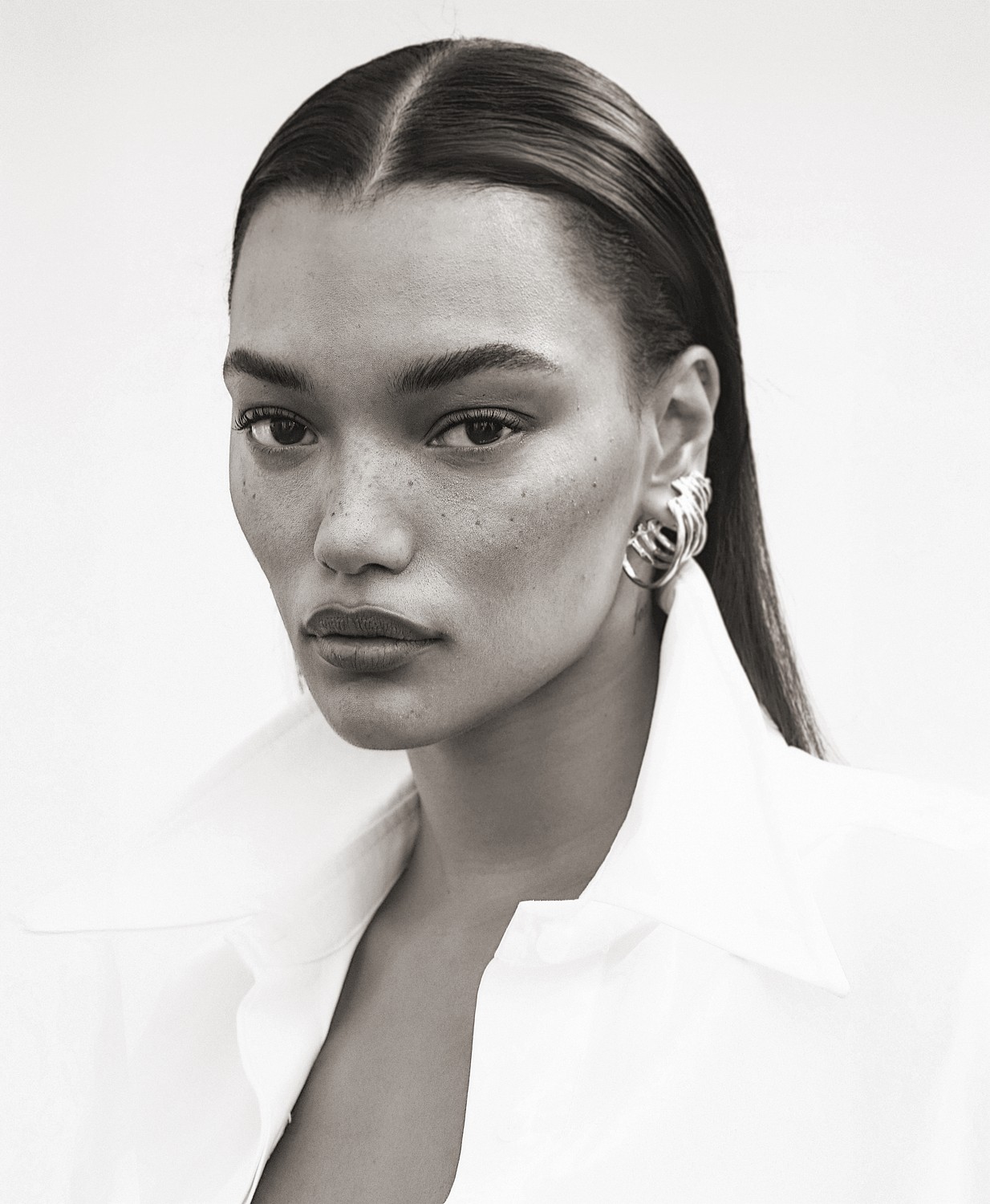
From hospital wards to the pages of Vogue and Harper’s Bazaar, and now onto film sets, Maggie Rawlins’ career is defined by purpose as much as ambition. With a foundation in nursing and humanitarian work, Maggie has built a path that bridges health care, fashion, and storytelling, proving that compassion and authenticity can thrive in every arena. In this conversation, she reflects on the experiences that have shaped her journey, the values that keep her grounded, and the exciting new chapter she is writing as a model, actor, advocate, and creative producer.
How has your medical background shaped your approach to fashion and public life?
My nursing career taught me compassion, resilience and perspective. It keeps me grounded and reminds me that beauty truly comes from within. It has also been a constant reminder of what is most important in life.
What lessons from volunteering during COVID-19 still influence you today?
The pandemic reminded me how precious life is and how important compassion and teamwork are. It reinforced my commitment to helping others whenever I can.
What moments from your work with OneWorld Health have had the greatest impact?
Working in underserved communities has been incredibly humbling. Seeing the difference quality health care can make has strengthened my passion for global health and service.
What similarities have you found between health care and modeling?
Both are about connecting with people. Whether caring for a patient or working on a photo shoot, empathy, professionalism and authenticity matter.
What have been the most meaningful milestones in your modeling career?
Being featured in publications such as Vogue and Harper’s Bazaar has been an honor, and becoming a Sports Illustrated Swimsuit rookie was an especially exciting milestone. It’s also been rewarding to be part of projects that women have looked up to for so long.
What drew you to acting, and how did it compare with modeling?
I booked a few commercials through modeling and really enjoyed the process of memorizing lines and telling stories in a different way. I took a few acting classes and quickly became obsessed.
How do you stay grounded while balancing fashion and health care?
I always come back to the values I learned through nursing. Helping others and staying connected to what matters most keeps everything in perspective.
What goals are you most excited about for the future?
I’m excited to continue growing in modeling and acting while using my platform to advocate for health care and continue my work with OneWorld Health. I’m also working on a few projects of my own, which has been incredibly fun. It’s my first time writing and producing, and I’m fully leaning into the experience and excited to see where it takes me.
From answering an Instagram casting call to walking the runway for Marc Jacobs, Lameka Fox’s rise in fashion has been nothing short of remarkable. But behind the campaigns for some of the industry’s most celebrated houses lies a story that extends far beyond modeling. Raised by her grandparents and shaped by an upbringing rooted in discipline, resilience, and creativity, Fox has built a career that spans fashion, entrepreneurship, music, and advocacy.
In this conversation, she reflects on manifestation, personal growth, the lessons she learned long before fashion, and the purpose that continues to guide everything she builds.
You went from answering an Instagram casting call to walking the Marc Jacobs Resort runway seemingly overnight. What do you remember most vividly about that transition, and how did it change your sense of what was possible for your life?
What I remember most is feeling like my life had finally caught up to something I had already believed was possible. Being signed and walking for Marc Jacobs felt less like a beginning and more like a moment when my physical reality aligned with something that had existed in my imagination for years.
Fashion was my obsession growing up. I studied it, followed it and dreamed about it. So when it suddenly became my reality, it felt like my first visceral experience with manifestation. It taught me that the things we spend our lives imagining aren’t always fantasies; sometimes they’re glimpses of a future we’re moving toward.
That experience fundamentally changed my understanding of what was possible. Once you’ve seen something that felt impossible become real, it’s hard to put limits on your life after that.
Before fashion, your world revolved around horses and training. How has your equestrian background shaped the discipline, confidence and focus you bring to modeling and entrepreneurship today?
I’ve lived in New York for more than a decade now, but growing up around horses shaped almost every part of who I am. There’s a level of discipline that comes with caring for animals that doesn’t depend on how you feel that day. The horses still need to be fed. The stalls still need to be cleaned. The hay still needs to be unloaded. That teaches you responsibility in a very tangible way, and I’m lucky to have learned that at such an early age.
Horses also taught me confidence. They’re incredibly intuitive animals, and they respond to your energy. When you’re riding, you have to be aligned in your body and your mind. If you’re uncertain, they feel it. If you’re grounded, they trust you. Looking back, I think that combination of work ethic, resilience, and self-trust became the foundation for everything I’ve done since. Modeling and entrepreneurship require it. Most things worth building do.
You’ve worked with iconic fashion houses like Burberry, Miu Miu, Valentino, and Jacquemus. Was there a particular runway or campaign experience that felt especially transformative or personal for you?
One moment that will always stay with me was shooting my first major Valentino campaign with Maripol. We shot around SoHo and at Indochine, and there was something about it that felt deeply New York. At the time, I was 17 years old, living alone in Manhattan and trying to make sense of this new life I had stepped into.
After the campaign came out, I walked from my apartment uptown to the Valentino store just to see it in person. I remember standing there and seeing my face in the window of a fashion house I had admired for years. It was as much about the campaign as it was the realization that the life I had dreamed about as a kid was actually happening. That walk through the city is still one of the clearest memories I have from that time.
Your beauty brand, Vernell, focuses on luxury skincare solutions for people on the go. What gap in the market were you hoping to fill, and how much of the brand reflects your own lifestyle and routines?
Vernell is deeply personal. It’s named after my grandmother’s middle name, and our first product, How Sweet It Is, takes its name from something my grandfather used to say.
My grandparents raised me, and after losing my grandmother in 2013 and my grandfather in 2019, I found myself searching for ways to hold on to the things they gave me. During the pandemic, while dealing with severe cystic acne, I began learning about skin health and barrier repair out of necessity. I no longer had access to the prescriptions I had relied on, and for the first time I had the space to explore a more holistic approach.
What began as a personal journey eventually became a business, but more importantly, it became a way to transform grief into something meaningful. In many ways, Vernell is an act of preservation. It preserves my grandparents’ memory, the rituals they taught me, and a slower, more intentional approach to caring for ourselves that often feels lost today.
The gap I wanted to fill wasn’t simply another skincare product. I wanted to create luxury that felt practical: products that support the skin barrier, travel easily, simplify routines and fit into real life.
I’ve never believed that self-care should require 12 steps or an hour of your day, especially for people navigating anxiety, depression, demanding careers, travel, parenthood or simply the realities of everyday life. To me, luxury isn’t excess. Luxury is thoughtful design, quality ingredients, and creating something that genuinely improves a person’s experience of daily life.
As we continue to launch new products, I think people will begin to see that Vernell isn’t just about skincare. It’s about creating beautiful, intentional solutions that make caring for yourself feel accessible, meaningful, and sustainable.
You’ve spoken openly about personal growth and creative expression. How do you protect your sense of self in industries that often encourage constant performance and reinvention?
I think one of the most important things you can do is spend less time online. I wrote in my journal once that every age we’ve ever been still exists somewhere inside us. The things we loved as children, the interests we were naturally drawn to and the parts of ourselves that existed before anyone was watching are often the source of our most authentic creativity.
I think people underestimate the value of boredom—of being disconnected long enough to hear your own thoughts. When you’re constantly consuming everyone else’s opinions, successes, aesthetics and ideas, it becomes harder to recognize your own.
My community and my upbringing ground me. Where I come from continues to inspire me. And I’ve learned that if you’re genuinely living, learning, traveling, failing and growing, you don’t have to force reinvention. Life will reinvent you on its own. Your job is simply to stay open to it.
Music clearly runs deep in your family history through your grandfather’s Motown legacy. What inspired you to start DJing and producing music, and how does music give you a different creative outlet than fashion?
One of my earliest memories is dancing on my grandfather’s speakers while he played “Disco Lady” by Johnnie Taylor. Whenever I tell my family this, they’re amazed because I couldn’t have been more than three or four years old, but I remember it vividly.
Music was everywhere in our home. It was part of how we celebrated, how we connected and expressed ourselves.
As I got older, I became fascinated with instruments. Our neighbors had a bluegrass band, and I spent hours learning about the mandolin, guitar, and cello. I wouldn’t call myself a musician by any means, but the curiosity never left me.
What I love about music is how instinctive it feels. Fashion is creative, but it’s often collaborative and external. Music feels more internal, more primal. It allows me to create from a place that’s harder to access elsewhere.
At its best, music creates community. It brings people together emotionally, regardless of where they come from. That’s something I’ve always been drawn to.
As someone advocating for conversations around trauma, mental health and resource disparities in minority communities, what changes do you hope to see both within the fashion industry and beyond it?
I would like to see us move beyond awareness and toward infrastructure. We talk about mental health more openly than ever before, but acknowledgment isn’t the same thing as support.
Fashion is an industry filled with young people who are often navigating enormous life changes, financial uncertainty, public scrutiny and, in some cases, significant trauma. Whether someone thrives or struggles can depend heavily on the quality of the support system around them.
I’ve been fortunate to work with people who genuinely cared about my well-being, but not everyone has that experience. When support is absent, people are often left to navigate incredibly difficult circumstances alone.
I think that’s one reason we continue to see issues like burnout, exploitation and substance abuse. People don’t just need awareness campaigns. They need resources, access, mentorship and systems designed to help them succeed.
The same is true outside of fashion. Real change happens when support becomes structural rather than optional. If we’re serious about helping people heal, we have to build environments that make healing possible.
Looking ahead, when people think about Lameka Fox years from now, what do you hope they recognize first: the model, the entrepreneur, the creative, the activist — or something else entirely?
I hope they recognize a life that was lived with purpose. Modeling opened doors for me, entrepreneurship gave me a way to build, and advocacy gave me a reason to use my voice. Creativity has connected all of those things together.
I don’t necessarily want to be remembered for one title over another. I hope the work speaks collectively.
Looking back, the common thread in everything I’ve done has been preservation. Vernell was born from preserving my grandparents’ memory and the wisdom they passed down to me. My advocacy work came from wanting to create protections I didn’t have access to myself. Even creatively, I’m often interested in honoring stories, traditions and experiences that might otherwise be forgotten.
More than anything, I hope people feel that I left things better than I found them. That I used whatever platform, resources or opportunities I had to create something meaningful—not only for myself, but for the people who come after me.
I will continue building, advocating and creating for as long as I’m able because that’s what I know in my heart I’m meant to do. If that work helps clear a path for someone else to dream bigger, feel safer or build something of their own, then I’ll feel like I’ve spent my time well.
“Lost Labels is built on the idea that great design doesn’t expire.”
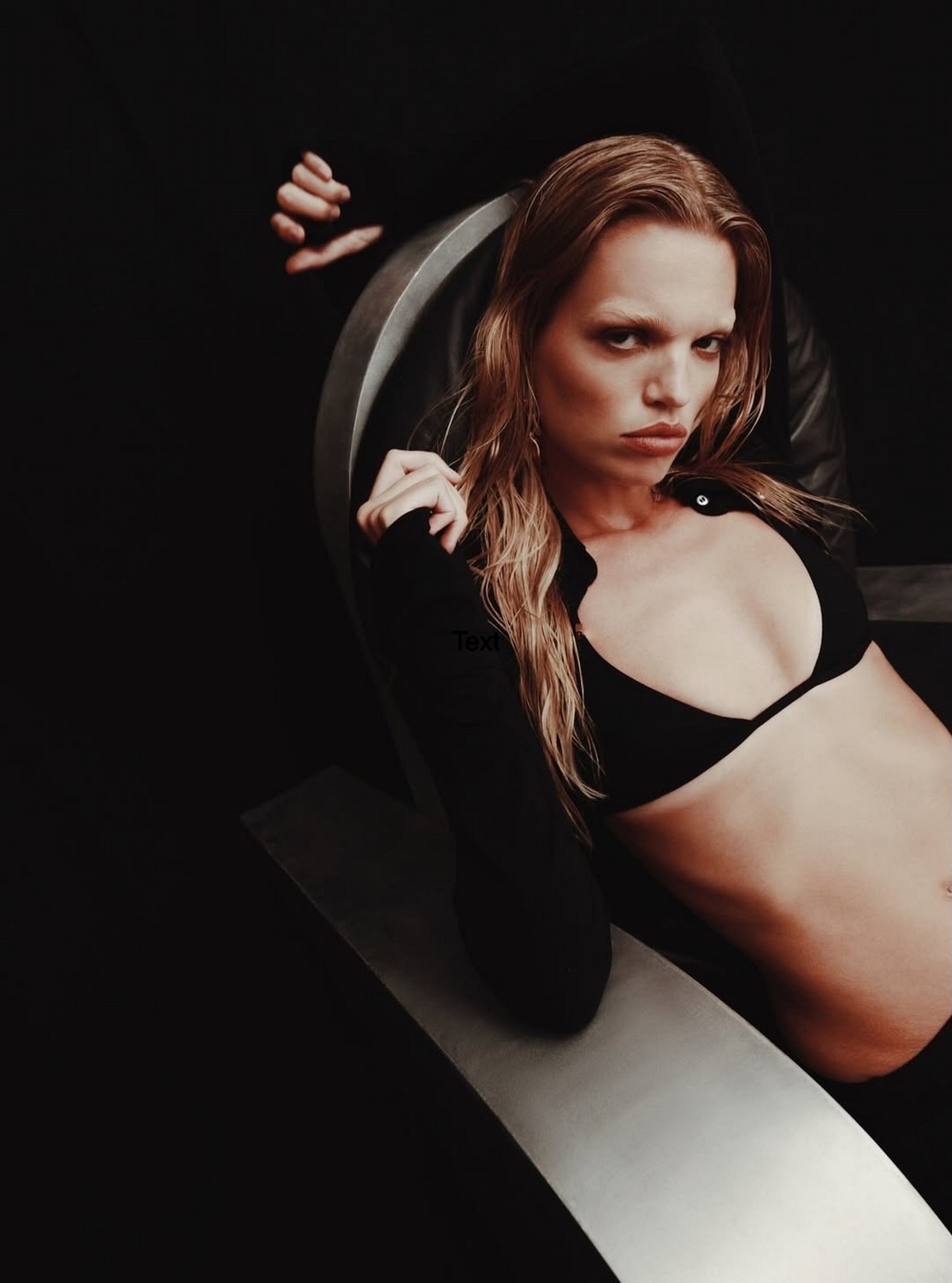
In an industry driven by speed and constant newness, Daphne Groeneveld’s Lost Labels is taking a more deliberate approach. After more than a decade modeling in New York—where she witnessed firsthand how collections are made and, just as quickly, left behind—she launched a resale platform rooted in longevity, curation and intention. Lost Labels isn’t just about vintage; it’s about reframing how we value clothing, from strong everyday basics to rare designer pieces. Here, she shares how her career shaped the concept, why exclusivity matters, and what it means to build a brand where sustainability and style go hand in hand.
You’ve built a remarkable career in fashion as a model—what turning point led you to found Lost Labels?
From a young age, I had a front-row seat to how clothing comes to life. I was doing fittings as early as 14 for Calvin Klein, watching a single piece of fabric transform into something intentional and precisely constructed. That experience sparked my love for designer clothing. Living in New York for more than 13 years—especially with limited closet space—also reshaped how I think about ownership and longevity. That led me to create Lost Labels, an online resale platform focused on giving exceptional pieces a second life. It feels both practical and essential.
Lost Labels feels as much like a point of view as a marketplace. How do you define its aesthetic and ethos?
What I value most about the vintage community is its individuality. No two curators are the same. When I host pop-ups with different sellers, it never feels repetitive—each rack reflects a distinct perspective. Lost Labels operates in that space. It’s trend-aware but grounded in past collections, bringing older pieces into a modern context. The focus is on quality: strong basics, standout designer pieces and accessories that elevate everything.
There’s a restraint to your approach—small, considered drops rather than constant newness. Why that rhythm?
Part of it is practical. I still model full time, and Lost Labels is growing intentionally. But I’m also drawn to exclusivity and curation. I don’t want the experience to feel like endless scrolling. Each drop should feel considered, seasonal and relevant—exciting without being overwhelming. It’s about quality over quantity.
How has your firsthand view of the industry shaped your commitment to circularity?
Seeing how quickly collections move—and how much gets left behind—shifted my perspective. There’s immense value in pieces that already exist, yet they’re often overlooked because they’re no longer “new.” For me, circularity is about extending their life and reintroducing them in a way that feels current. Lost Labels is built on the idea that great design doesn’t expire—and that rewearing can be as exciting as discovering something new.
Curation is central to Lost Labels. What guides your selection?
Condition is nonnegotiable. If there’s a stain, rip or damage, we won’t accept it. Beyond that, I look for relevance—pieces with longevity, quality and a sense of effortlessness. They should integrate easily into a wardrobe while still feeling distinct. I also have to want to keep the piece myself; I don’t sell anything I don’t genuinely love.
In a trend-driven market, how do you define and advocate for timelessness?
Timelessness starts with strong basics—pieces you can wear repeatedly, style in multiple ways and keep for years, even pass down. At Lost Labels, we invest in those foundations because they offer more freedom in how people dress. Timeless doesn’t mean boring; it means enduring, adaptable and personally relevant.
Pre-loved fashion carries history. How important is storytelling in your approach?
It’s central. Every piece has a past—it’s been worn, styled and lived in different ways. That history adds a dimension you don’t get with something new. At Lost Labels, storytelling becomes more tangible through pieces sourced from models’ closets. Some are samples—handled by designers, discussed in studios, part of a collection’s evolution. Others have been worn to castings or carried through different phases of a career. That context gives each item depth. It’s what makes these pieces feel personal—and why storytelling is integral to how we present them.
How do you balance aspiration with responsibility?
It comes down to consistency and honesty. The pieces have to be genuinely worth owning—well-made, well-kept and considered. At the same time, presentation matters. Secondhand shouldn’t feel secondary. Lost Labels aims to show that sustainability and style aren’t separate—they can coexist naturally when the curation is strong.
What misconceptions persist around vintage and resale?
Sustainability has become a catchall term, often loosely defined. For me, it’s about reducing waste and overconsumption in tangible ways. Even if a piece wasn’t originally produced sustainably, extending its life keeps it out of landfills. Resale isn’t perfect—shipping, for example, has an impact—which is why we prioritize in-person pop-ups when possible. It’s about making better choices and being transparent about them.
Looking ahead, how do you hope Lost Labels shapes attitudes around style and ownership?
I hope it encourages more intentional, creative shopping. To stand out, people should explore vintage, shop small and seek out pieces that feel personal. There’s real value in finding something unique—something no one else has. I want people to see clothing as something to keep, restyle and live in over time.
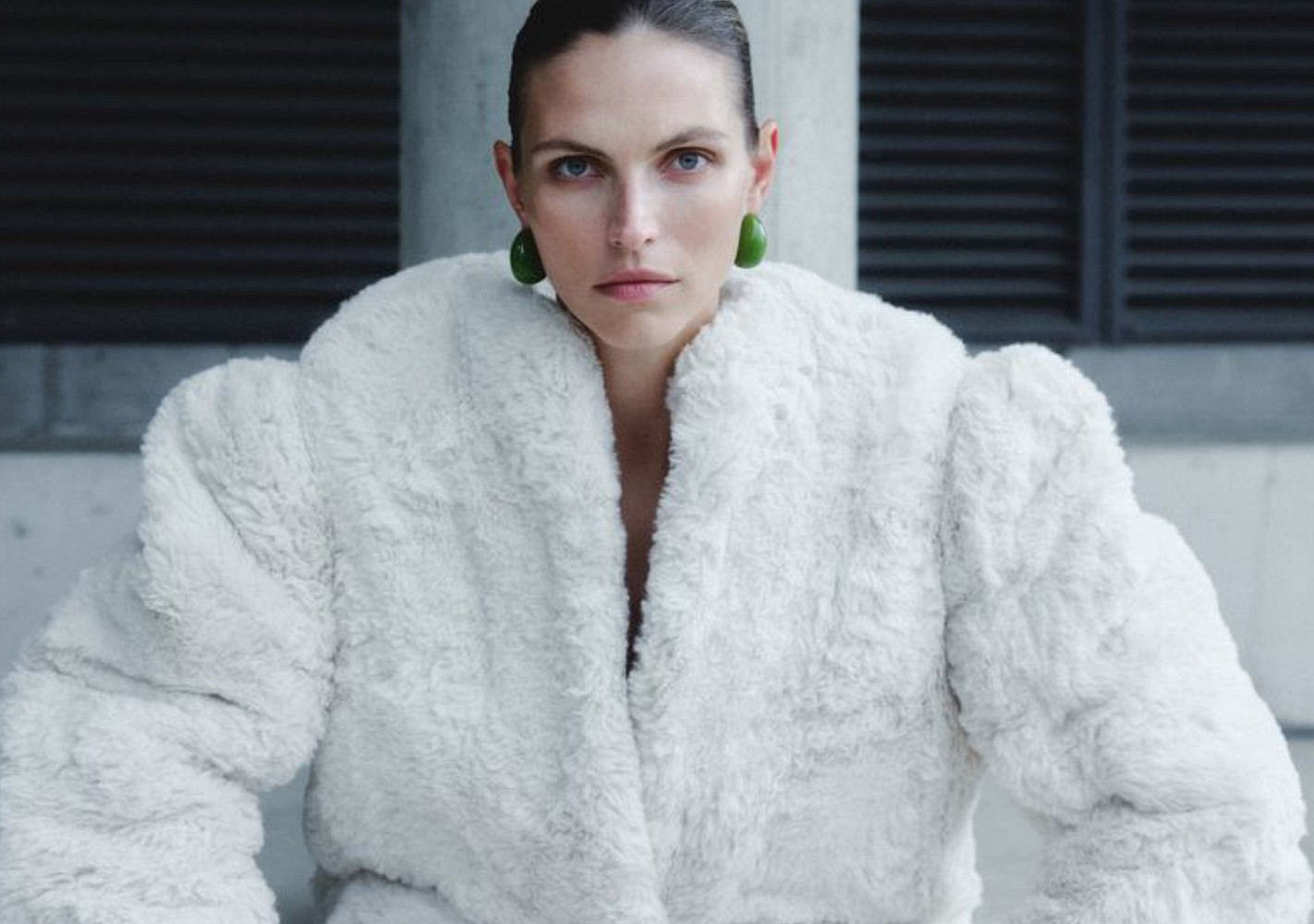
Latvian supermodel Karlina Caune has fronted campaigns for Tom Ford, Giorgio Armani, and Céline, in addition to gracing the covers of numerous editions of Elle magazine. Not one to rest on her laurels, the fiercely ambitious mother of two is more determined than ever to transcend the stereotype of being “just another pretty face” and to inspire her daughters to seek purpose in their lives.
You were born in Riga and have spoken about growing up with “incredible patriotism.” How did that national pride shape your identity long before fashion entered the picture?
I think, for me, it all started with the culture—the way most Latvians are raised. We grow up close to nature, learning about our mythology, singing the songs of our ancestors, and being proudly taught about the beauty of our little country. Historically, Latvians have been occupied by various nations, yet have always maintained a rebellious spirit—not to give up or succumb. I think that’s where I align with my own identity.
With a father and grandfather who served in the Soviet military—and an uncle who became Latvia’s Minister of Defense (as well as Prime Minister and Finance Minister)—duty and discipline seem embedded in your family story. How has that legacy influenced your work ethic in modelling?
They served in the Soviet Army, and their deployment was mandatory. The historical background of the occupation years really matters, because while they would have willingly enlisted to protect the sovereignty of their country, that wasn’t the case at the time. I think the real influence has been our family values. I was raised to always give my best—no matter the task or job. It’s how you respect yourself and how you build yourself into a solid person. I think this is the reason I’ve managed to maintain my reputation and continue working after 16 years.
Modeling often requires constant travel and reinvention. How do you stay grounded in your Latvian roots while navigating an international career?
To be fair, I don’t. Somewhere around the time I had my children, I felt deeply hurt by Latvian politics and how I was treated—discarded, it seemed, simply because I married a Swedish national and chose to raise my children in Sweden. Since then, I sometimes say I’m not Latvian—I’m a Latvian passport holder. It’s a bitter feeling at times, because I remember how proud I used to be to say, “I’m Latvian,” and now that pride has been replaced with something more complicated.
You’re a mother of two. How has motherhood changed your relationship to beauty, ambition, and the pace of the fashion industry?
This is a wonderful question. Since becoming a mother to my daughters, I haven’t slowed down—in fact, I feel like my ambition has grown. Part of that comes from wanting to challenge the stereotype of being “just a pretty face” or a model. I want to be more and do more, so my daughters grow up with a role model who represents not only beauty and magazine covers, but also purpose. They know I love my work—I truly do—but creating new paths along the way and showing them that life isn’t linear is what makes me most proud.
The fashion world can be demanding physically and mentally. As someone deeply into wellness, what are your non-negotiable daily rituals for maintaining balance?
I try to keep my physical shape in top condition—working out four to five times a week and making sure I get in 10,000 steps a day. I cook good, nourishing food. I’ve also recently started adding NAD+ supplements, which have really improved my endurance. But when it comes to balance, the most important thing is listening to your body. If I’m feeling drained or exhausted, I allow myself to rest—as much as that’s possible with two kids—and maybe step away from emails for a few days. Taking time to ground myself is essential.
Campaign imagery often projects confidence and perfection. How do you reconcile that polished public image with the more vulnerable, real parts of yourself?
It’s actually very simple. I’ve drawn a very clear line between work and real life. For example, I rarely wear makeup outside of work or social events. By doing that, I always see myself as I truly am. Waking up and not feeling like I need something on my face to look okay is incredibly freeing. Don’t get me wrong—I still have moments of “I look tired” or “I’m puffy”—but I allow myself to be human.
Looking back at the young girl in Riga with big dreams and fierce patriotism, what would you tell her now about identity, resilience, and what truly defines success?
Hard work and integrity. Stay true to your values, and don’t ever let anyone diminish your kindness. The most important approval you need is your own.
What would people be surprised to learn about you?
I think people might be surprised to know that I’m actually quite a softie. I’m not as tough and confident as I may seem. But as I always like to say, “Dress for the job you want, not for the one you have”—and I think that’s pretty spot on.
“Like so many people, I worry about the future of the planet“
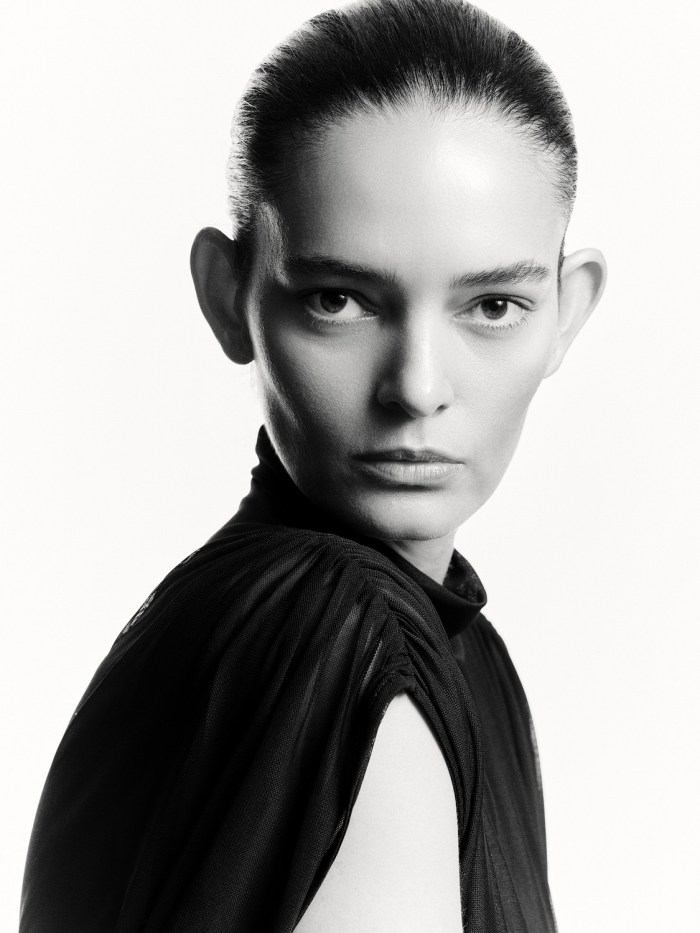
Discovered at just 13, Wanessa Milhomen has spent two decades navigating the fashion with grace and intention. From her enduring creative partnership with Sarah Burton to her reflections on motherhood, Brazil, and sustainability, Milhomen’s career reveals a side to the model rarely seen beyond the runway and glossy editorials. In this conversation, she speaks candidly about growth, loyalty, and what it means to evolve alongside an ever-changing industry.
You were discovered at just 13 in Goiânia and stepped straight into an international career. How did growing up in the fashion industry shape who you are today, both professionally and personally?
Growing up in the fashion industry has been a whirlwind experience that has shaped me in ways I never thought possible. Professionally, it’s taught me to cherish every moment and take calculated risks. I’ve learned to balance confidence with vulnerability, and responsibility with creativity. While it accelerated my growth in many ways, it also exposed me to diverse cultures, experiences, and people. I’ve gained a unique perspective—not taught in schools, but learned through living. Fashion has shown me the world in a way that’s made me stronger and more resilient. I’m grateful for the experiences and lessons I’ve accumulated over the years, and I’m proud of the person I’ve become.
You’ve worked closely with Sarah Burton for nearly a decade, first at Alexander McQueen and now at Givenchy. What has that long-term creative relationship taught you about trust, collaboration, and evolution in fashion?
Sarah’s talent and determination are truly inspiring. She’s taught me that loyalty in fashion does exist, and that it can be genuine and beautiful. Having me walk her fashion show while I was five and a half months pregnant was a unique personal moment in my career—one I will forever be grateful to Sarah for. Being part of her creativity and vision is something I can’t fully put into words. What I can say is, when a story is being told, and art is being created and shared with people, it becomes about more than just clothes. Fashion is evolving, and Sarah is a master of it.
Alexander McQueen is known for its emotional intensity and storytelling. What does it feel like to embody that vision on set and on the runway?
It’s an honor to be part of the Alexander McQueen legacy. It’s a privilege to have clothes created for my body and to bring them to life on set and on the runway. A lot of emotion is felt and translated when you’re part of the creative process and then walking the catwalk.
Fashion often moves at an intense pace. What rituals or practices help you stay grounded after so many years in a high-pressure industry?
Being with my family and friends—especially my son—helps me stay grounded. He has many wonderful ways of doing that. I also like to meditate, listen to weekly energy-boost podcasts, and take quiet moments for prayer and spiritual growth to help me stay centered. But don’t get me wrong—even after 20 years of modeling some “no’s” are still hard to take—but I’m quick to ground myself again.
As a Brazilian model, how important is it for you to represent Brazil—and Goiânia specifically—on the global fashion stage?
There are so many people representing Brazil, and I’m extremely proud to be one of them—especially to be from Goiânia. I have amazing memories of picking fruit from trees and walking barefoot on the fertile red earth of Goiás.
You’re passionate about environmental advocacy and the preservation of the Amazon rainforest. How do you use your platform in fashion to bring attention to these issues?
Like so many people, I worry about the future of the planet. As a mother, I try to make positive choices, teach my son values that align with this, and make sure I vote.
The industry is slowly becoming more conscious about sustainability. From your perspective, where do you see real progress—and where is there still work to be done?
The increasing diversity of thought leaders at the top of the industry is an important and empowering development for change. I see real progress in the growing adoption of eco-friendly materials and production methods, as well as increased transparency around supply chains. However, there is still work to be done in reducing waste and implementing circular business models that prioritize reuse and recycling.
Looking ahead, what excites you most about the next chapter of your career, whether in fashion, activism, or something entirely new?
I believe there’s still so much I can do in my career and in fashion, and I’m excited for what’s next. It may be in fashion, activism, or something entirely new. I’m open to whatever comes, and I’m grateful for all the experiences I’ve had. I know that whatever I do next will be shaped by the lessons I’ve learned and the people I’ve met along the way.