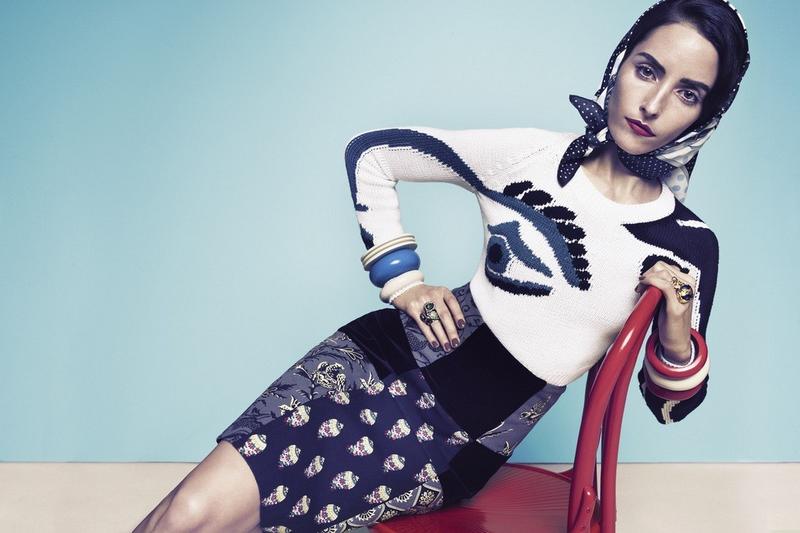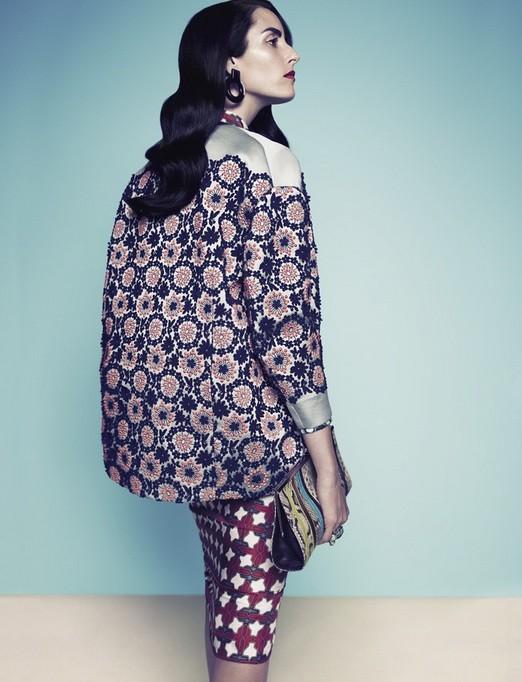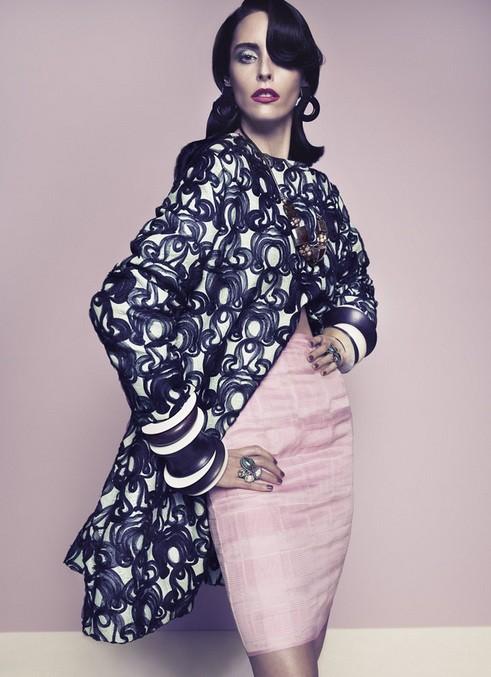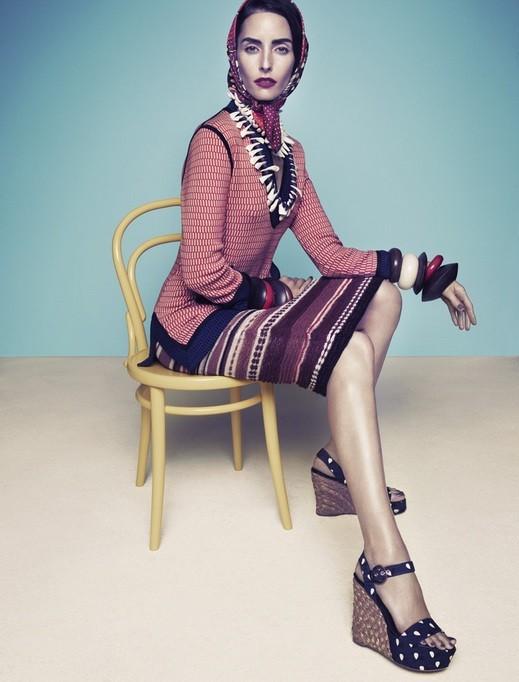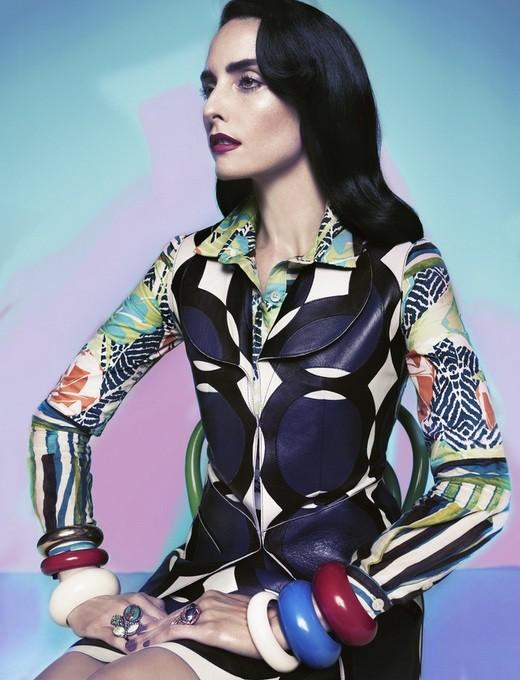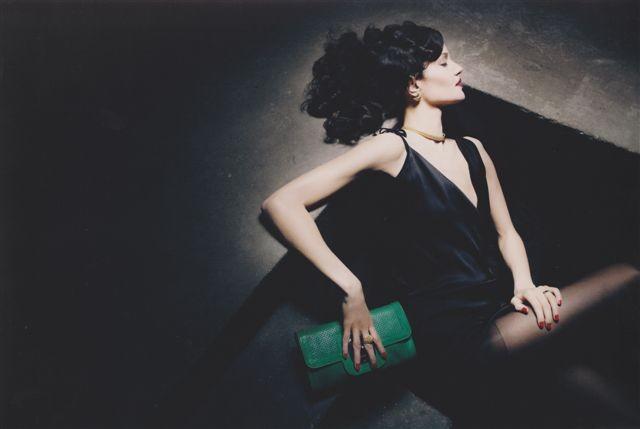
Claudia Mason Reflects on Modeling, Life and the Future

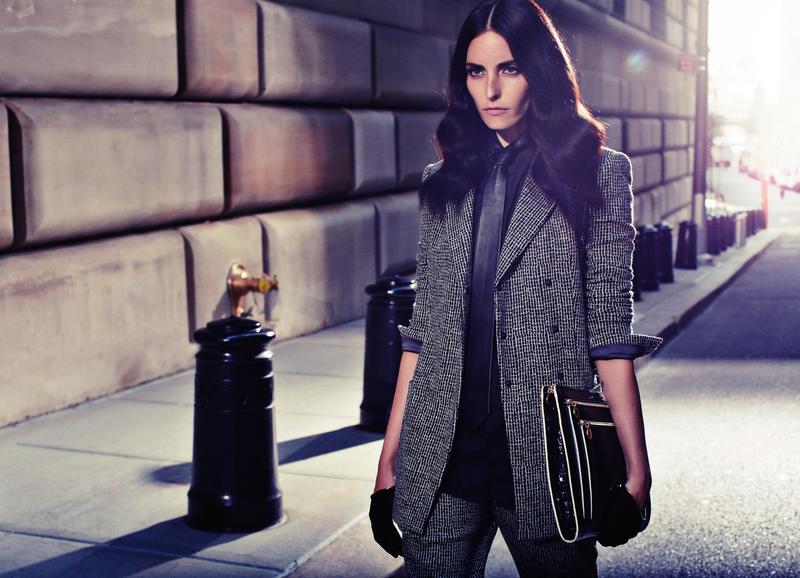
Claudia was a dance student when she was discovered at a music store by a scout and went on to become one of the world’s top models, working with designers that included YSL, Karl Lagerfeld, Versace, Armani, Gucci, Valentino, Marc Jacobs, and Calvin Klein. She was also featured on the covers of such magazines as Vogue, W, Mademoiselle, Elle, Cosmopolitan, and numerous foreign publications. I spoke with Claudia about modeling, her transition into acting and so much more.

Start by telling us how you were discovered and the genesis of your career.

I was born and raised in Manhattan on the Upper West side. I was a dance student at The School of American Ballet. When I was 13, I was with a friend from junior high school at Tower Records when a modeling scout came up to me; that’s how it started.

What were your thoughts when you were first approached?

I was a 13-year-old dance student at a private school on the Upper West Side. Modeling was the furthest thing from my mind.

Modeling has become such an aspirational career. Guys and girls are a lot more clued in. What are your thoughts?

I think people are still discovered at 13, but it was rare then. The girls today are not working full-time at that age, at least I hope not, because they’re still in school.

What changes have you noticed from when you started? 

I think change is always good. We all change so why shouldn’t an industry? I think the entertainment field changes much faster than other fields. Especially with fashion, the turnover rate is very fast. I think social media has changed everything and that’s good. There are more publications on-line now. The business is growing so there are more opportunities for work.

There was some backlash about the location of New York Fashion Week because it became so commercialized. Bloggers have popped up over the past decade and have a prominent position at fashion week. That upset some people who have been in the industry a long time and consider themselves experts and I understand. Then again, these bloggers and social media are bringing fashion into the world more rapidly than before so there’s more money. We tend to, as a people, complain about change and getting more commercialized, but then again it’s better business. It’s a Catch-22.

What effect has social media had in your experience? Has it been relevant?

I love Instagram. I don’t love Twitter. Instagram is instant; which is where the insta comes from. You don’t have to use words. You can just take a picture, upload it and you are done. It makes so much more sense because we are all so busy running around. It’s no wonder that stress related illnesses are on the rise for people under 40.

You sound like you have a lot going on. 

It’s kind of kooky how we’re all going, going, going and then responding to our computer and smart phone throughout the night. I like it but it’s affected my life. I am more busy now with projects. I want to be more on social media now.  I want my voice to be out there more. I think it’s fun to explore these different social media platforms. I was against them for a long time but now I feel more positive. We all communicate better now and it’s changed everything.

Do you find constant communication to be a distraction?

It does feel that we are distancing and drifting apart and not connecting with each other face to face as a people. We’re always on our smart phones and gadgets, but you have to go with it because you can’t live in a cave and rebel against it.

Were you against it?

At first yes. You know, I enjoy it. I’m finally learning that I don’t have to use it to say how my boyfriend is doing for example. I can do it my own way. I can use social media for me. I’ve learned to make it my own.

You’ve had a full career and one of longevity in an industry dependent on change.  How have you been able to do that?

It’s a great question. Besides luck, it’s the time that I came in. The industry wasn’t as massive. Elite and Ford were the only two relevant agencies. There was nothing else. In some ways it was a smaller industry. I was blessed that I started at the top of the industry in a wonderful time in history.

Do you think the longevity you had will sustain today? 

It was really the time in fashion. I don’t know how else to think about it.  My peers from the 90’s are all working.  Helena Christensen and Christy Turlington are still working. I pulled out to focus on an acting career and didn’t fully keep up my commercial profile. I’m blessed to be able to come back into it because it was the time but look at Giselle and Kate Moss; they’ve had long careers. A lot of us in my time were having long careers but now you just can’t tell. Take Cara Delevingne and Karlie Kloss for example. We all love them but how long does a career at that top-level last these days?

Can you touch on your transition into acting?

I grew up in an artistic environment. My dad is a playwright, director and author. My mom wrote and acted. I always wanted to act and dance. Modeling came and it was a great opportunity. I don’t want to put down my profession, because it takes a lot to be a model, however, I found it limiting. I needed to express myself outside of walking a runway.   I needed more. I think of the quote by Joseph Campbell “Follow your bliss and the universe will open doors for you where there were only walls.”  That’s what led me into acting. I’ve had a great time making films and being on TV and producing and acting in theater. Moving to Los Angeles was very unsatisfying so I went back into modeling. I’m redefining myself. I’m writing a book and doing a variety of different things as well as acting.

What did you find disenchanting about LA?

I have such great friends there and I love to go to LA in the winter. It’s a tough city when you love walking everywhere and LA is a sprawling suburb. New York is alive and the hustle and bustle just isn’t there in LA. That’s the difference. LA is not an international city.

You have a somewhat ambiguous ethnic look. With a limited beauty ideal in the industry, did you ever come up against anything?

Not to my face. I just sailed through because I started at the top. If that happened I was not privy to it. It’s unfortunate when someone’s background affects them getting a job or not. I think that change is already happening. Campaigns and beauty contracts are going to all sorts or beauties. I mean, Christy is mixed. Helena is mixed. I just saw Helena last night and I’m going to be working with Christy coming up. It’s fun to have a look that nobody knows what it is. But I don’t think we’ll ever get there as a people.

Any advice for yourself at age 13? 

Have fun! I had many experiences traveling. It’s a fun job. Sure it’s hard work and there are downsides, but it’s fun. I took it too seriously. Enjoy the journey, enjoy the moment. It moves by so fast.

Follow Claudia’s blog here
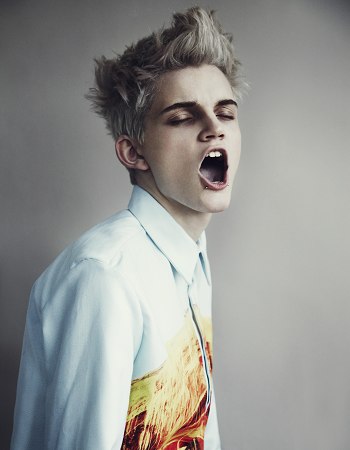
Introducing Morris Pendlebury

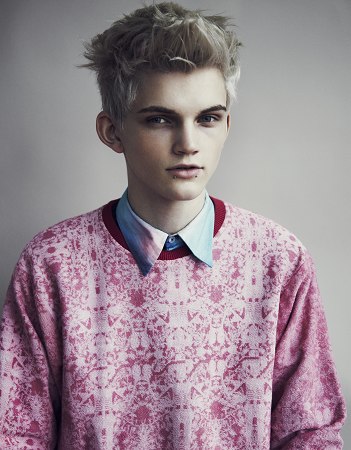
Morris Pendlebury was scouted during a shopping excursion in Leeds and signed with Premier Model Management. The Yorkshire-born model is racking up a slew of edgy editorials in magazines such as L’Officiel Singapore and Bon in addition to advertising campaigns for Barneys New York. I caught up with Morris to find out about what he hopes to get out of his career and the highlights so far.

You were discovered in Primark in Leeds. What went through your mind when you were approached by the scout from Premier?

I wasn’t really sure what to make of it at first. It’s not really an industry I thought I would be going into. I honestly thought it might be a joke.

Coming from a small town in North Yorkshire what were your initial impressions when you began modeling?

I thought the whole thing was kinda strange at first. But really, who else at 17 has such great opportunities for work and travel?

What are your aspirations and goals for the future?

To have a successful life.

What do you hope to get out of your modeling career?

To work with some of the industries best. It’s amazing to see the way that people work and just to be involved in the creative process. I would like to travel more and live in New York for a while.

How do you handle the pressure and rejection that comes with modeling?

Every job comes with a certain degree of pressure and rejection so modeling is not actually so different in that respect. You might not always be the look that a client wants. You can’t get every casting you go to and after time you just learn to thrive under pressure.

If you weren’t modeling what would you be doing?

I would probably be at university racking up student debt and spending money that I don’t have.

What has been the highlight of your career thus far?

Working with some amazing photographers like Paolo Roversi and Tim Walker and designers like Hedi Slimane. Having the opportunity to travel the world is something I wanted to do since I was young too.

What have you discovered about yourself through modeling?

I have gained a greater sense of appreciation for where I’m from. I didn’t really see the positives until I left and came back. I’ve also learned I can cook but I’m still learning to clean up.

What would people be surprised to learn about you?

I have A-Levels in math and science and I would love to study chemical engineering at university.

Morris is represented by Fusion Models

Justin Gelband – Model Fit

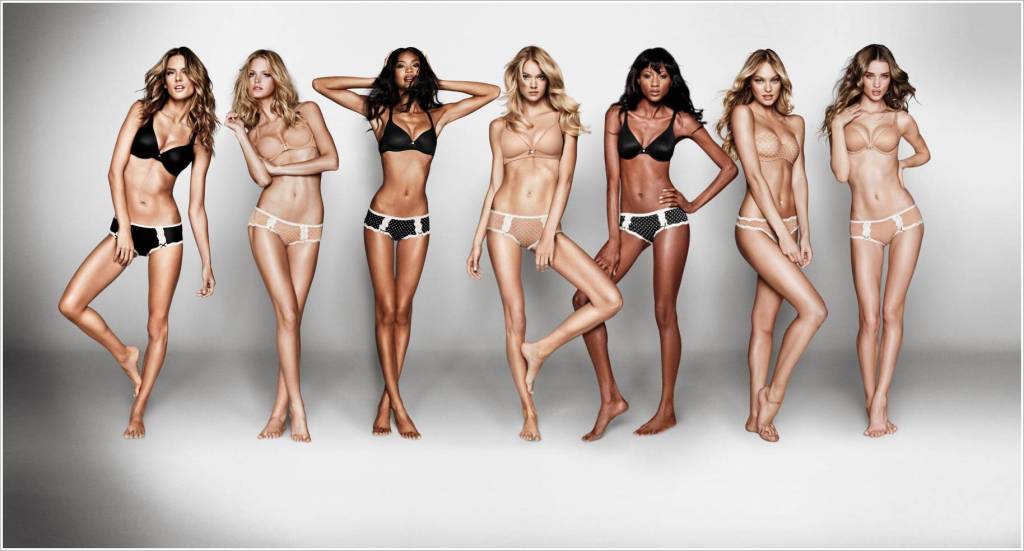
Justin Gelband, dubbed the model whisperer, is responsible for the covetable bodies of top models Miranda Kerr, Candice Swanpoel, Erin Heatherton, Behati Prinsloo, Anne Vyalitsyna and Maryna Linchuk, to name only a few. I caught up with Justin to talk about fitness and his new project Model-Fit.

What motivated you to get into personal training?

I was an athletic kid. I played tennis, soccer, swam and ran cross-country. I went to Rutgers university and studied Exercise Science and Sport Management then I worked for the Metro Stars and interned for the Director of Marketing and Sales.

I moved to Los Angeles and worked at a 24 Hour Fitness. An advisor asked me if I wanted to start personal training.  It wasn’t what I wanted to do in the beginning but after watching other trainers I was inspired to help women use their bodies properly and get in shape. That was around 1999 and I grew from there.

What is your philosophy on fitness and wellness?

They are the same for me. It is about the individual. Everybody is different. I look at their life-style, health conditions, injuries, genetics and goals. From that I create a workout based on that individual. Model-Fit is about being the best you can be with the body you’ve been given. I created a class where I would be able to see how people move and create a system out of it.

Typically, when people attend classes they’re all doing the same exercises. How many people do you know that can do all the same stuff? You can’t really. If you break it into a more functional workout with specific exercises for their body it makes it more individualized even though it’s in the class atmosphere.

What are some of the biggest misconceptions you come up against when you start to train people?

Mainly that everybody is trained the same way and there’s no difference between people. Women and men are different and women cannot do the same exercises as men. Not because they’re not strong enough, but because they’re not meant to.  Women are not meant to do pull ups and push ups. They’re not built for squats and running mans and leaps.  You train them based on the individual. They’re trying to look their best and they’re doing all these lunges and squats and kettle bells. It is just bulking them up and then they wonder why they’re not losing any weight.  That’s number one.

Number two is nutrition. Nutrition is everything. Ninety percent of what you do is what you eat. Every day we look at our obesity rate in America and it’s growing. Last year the obesity rate was 38 percent and this year it’s at 41 percent; that’s crazy. Almost 50 percent of our population is obese and it’s because of our diet. I started working with Dr. D’Adamo about seven years ago. He’s the guy who created Eat Right For Your Type. I found that if you give yourself a chance to eat things once or twice a week that you enjoy, your body will stay lean and in the best shape it can.

Why the blood type diet? There are four different blood types.  What other nutritional plan can you give somebody that breaks it down to four types of people? When I started researching the blood type diet and trying it on clients it worked most efficiently. 

Most people suffer from pain, guilt and fear. They live in pain so they feel they shouldn’t exercise. They live with guilt because they eat something or they’re not feeling the way they think they should. Then there is fear. Everyone is fearful that if they don’t do something they won’t get to the next level. That’s not the right way to think. You have to think positive thoughts.

When you encounter someone who is struggling with these issues, how do you motivate them?

It’s all in the head. I mean, you can do it through exercise but you have to teach them to believe in themselves and give them motivation and discipline. They must feel that no matter where they’re in their life they can gain results out of what they’re doing.

A lot of people take time off and then they won’t go back to exercise.  Once you try exercising for two weeks, most of the time you’re hooked. It’s about getting the person to move whether it’s walking, swimming, riding or hiking. For me, I would just start with food and cardio. Cardio is movement and the motion of the body. If you get someone to do cardio and you get them moving it doesn’t matter if it’s only 15 minutes per day. At least you’re getting them to do something. I created Model-Fit to show you don’t have to have a gym. You can do it in your living room.

What would you recommend for a woman who is afraid of the gym but doesn’t have the means to have someone like you come to her home?

You can grab tennis balls. You can get bands for five or 10 bucks at the store. Do you all hear what I’m saying? You can just use your own body weight. It’s about changing the movements and modes of exercise. Not only am I creating this gym, I’m creating an interactive site so I will be able to help women and people at home gain that trust, not only in me, but in themselves. Like you said, it’s really hard for people who don’t have the money and don’t have the experience of being able to go and get a trainer and do that. I always I recommend getting out and doing cardio.

I’m creating short videos for people to do at home so they don’t feel alienated thinking that I only work with supermodels and famous people. I work with a lot of different people and that’s why Model-Fit opens March 1. I want to give back to the people. I do have an incredible job and I have been able to train the biggest models and celebrities in the world but it was something that I fell into. I got into training models and celebrities because of the health issues. I wanted to teach the girls how to eat right and how to exercise.

Learn more here

Introducing Leebo Freeman

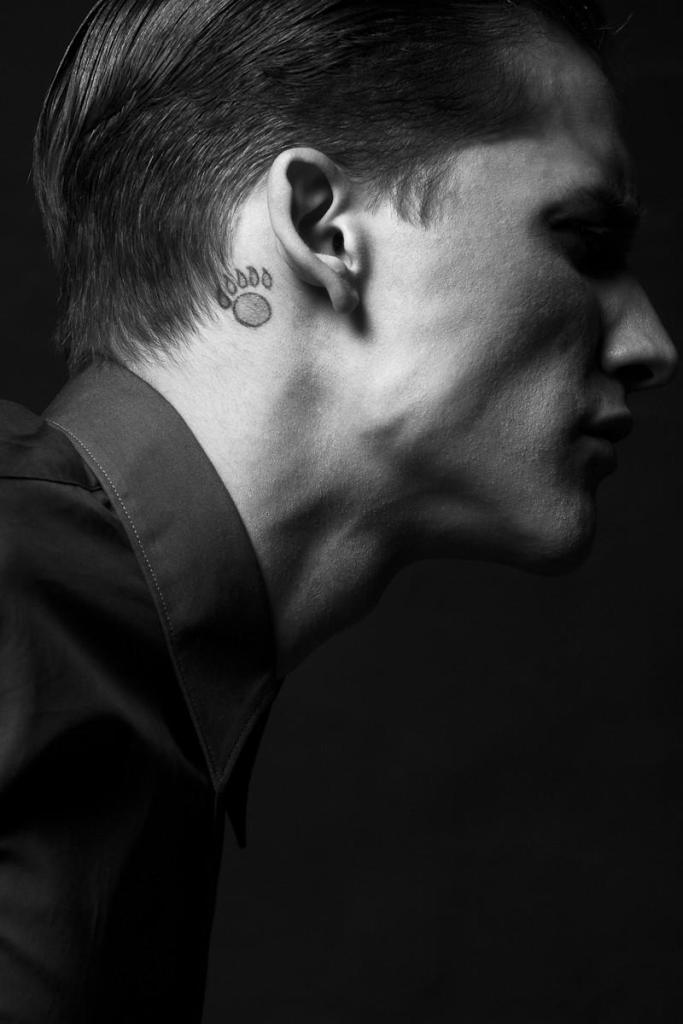
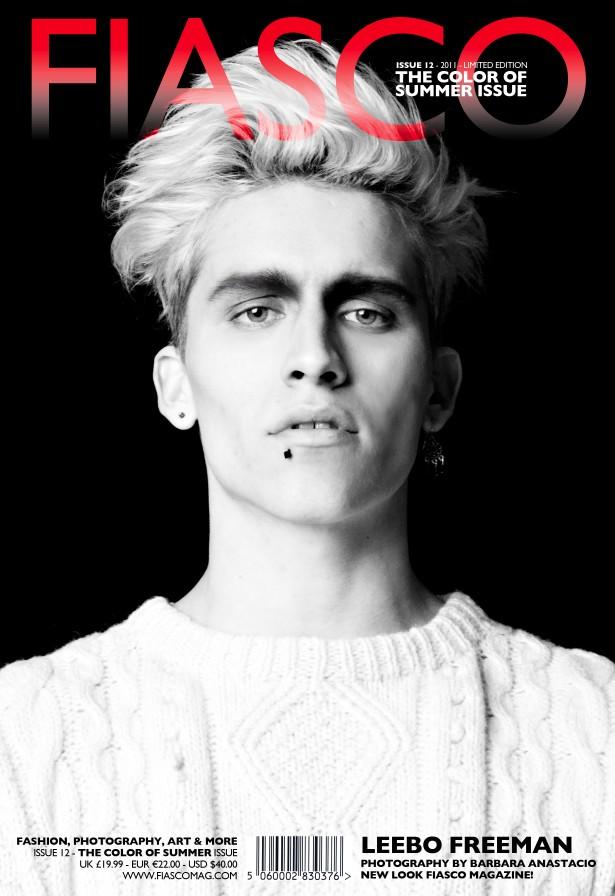
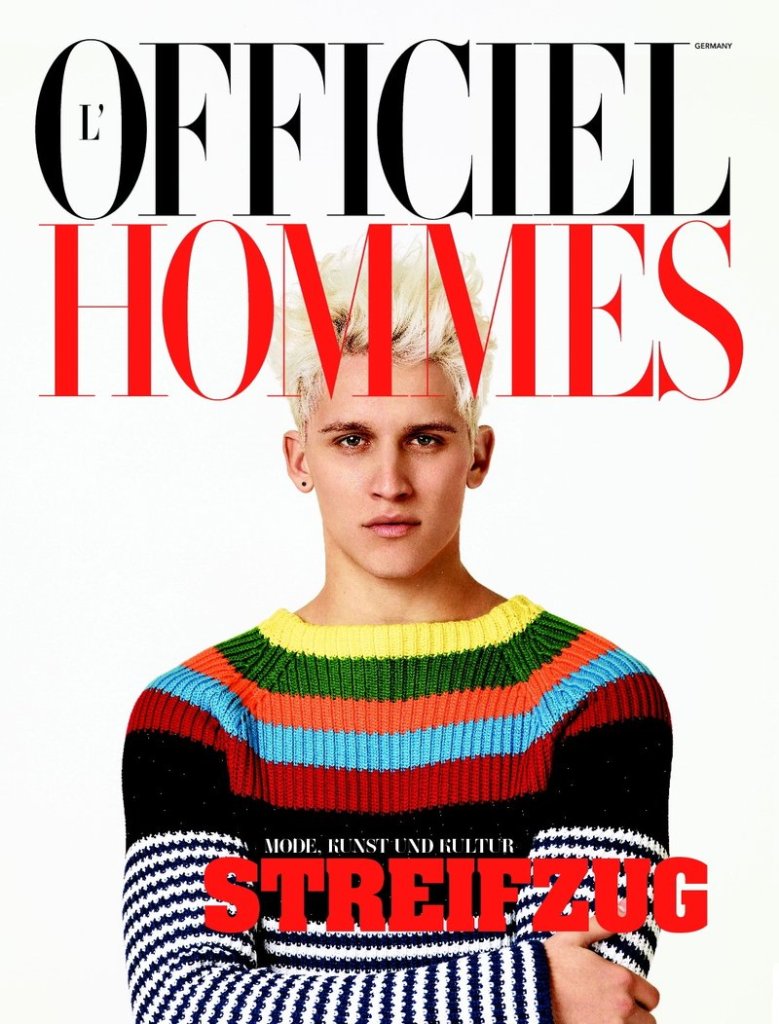
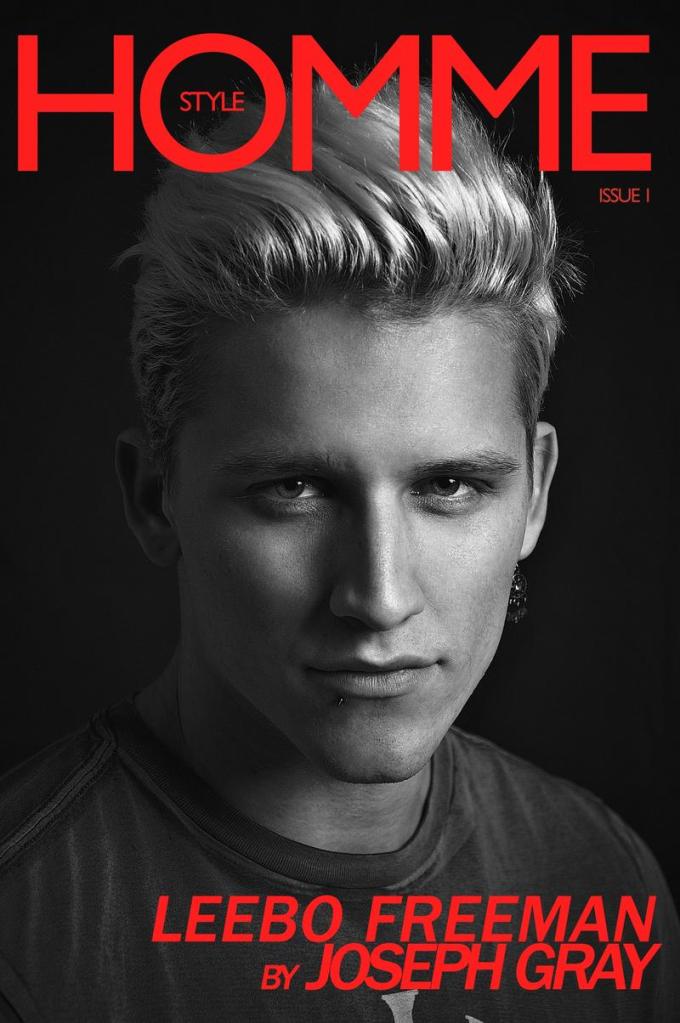
Leebo Freeman launched onto the modeling scene by opening Mugler’s AW11 menswear show. He has since walked for Vivienne Westwood, Jeremy Scott, Dsquared2 and Frankie Morello and shot editorials including Vogue Homme Japan, W Korea, L’Officiel Hommes Germany, Wonderland and Hercules. When he’s not treading the runways, Leebo enjoys working on his music and building his acting career. I caught up with Leebo to find out what he’s doing these days.

How were you discovered?

A mutual friend on Facebook introduced me to my lovely mother agent Kevin Holloman.

If you weren’t modeling what would you be doing?

I’d be pushing my music as much as I could and I’d probably still be in a band getting the most out of life.

How do you handle the isolation that comes with modeling?

It’s tough at times. I love people and having close contact with friends and family. Other than that, I have a good system and I don’t mind being one my own, sitting back and watching the world buzz.

How do you define success?

Happiness for a start. If you are happy then that’s all that matters in your career. As long as you are pausing yourself and not letting your time pass by without taking advantage of opportunities and taking steps forward then you’re always a success.

How do you handle the scrutiny and rejection that comes with modeling?

Well to be fair, I don’t really care what people think about me or what I’m doing. I’m going to do everything to the fullest and if that doesn’t fit what someone wants then on to the next and keep pushing forward. I think people get caught up trying to please everyone and by’eck that’s impossible!

What do you do to decompress from the pace of modeling and refocus?

Well, I recently got a wee dog, Vash, and love muckin’ about with him; animals are such a great energy. Of course working on my music always takes me away no matter where I am.

What have you discovered about yourself through modeling?

That if I truly want something I will have it. As well, I’m getting good at being alone.

What are your goals and aspirations for the future?

As much as I can do with music. Acting is another true passion so I’m sorting stuff out with that this year. I want to make a comfy home as well, a nice base to come back to.

What would people be surprised to learn about you?

Despite my general positive outlook on things, I have had very dark moments where I thought I’d give up on everything. It is always my intention to redirect my thoughts into positive ones, but sometimes I can feel quite trapped and haunted by dark thoughts. I’m all about real experiences and true feelings in life. I want to know at the end of my days that I have lived life to the fullest. I’m okay with these moments though they are not the easiest.

What do you think is the biggest misconception about modeling?

Definitely that it’s easy and that models live some glamorous life where everything is done for them. It’s a lot harder than the TV makes it out to be in more ways than just the work aspect.

On another note, I don’t feel bigger than anyone or on some untouchable level or any of that wank stuff. So anyone should feel free to reach out. Ask me something, tell me something, or if you see me boppin’ about don’t be afraid to say hello or have a hug. Let’s be happy and make this life count. Much love and positive vibes!

Follow him at @LeeboFreeman, Instagram and Soundcloud

Leebo is represented by Adam Models

Danielle Z – Catwalk Queen

In the post supermodel era, Danielle Zinaich rode the crest of new models whose look would come to define the nineties. Born in West Virginia, Danielle arrived in Paris and soon found herself at the center of a coveted group of models that would dominate the runways and magazines of the time. With campaigns for AKRIS, Versus, Chloe and Istante under her belt, Danielle has managed to stay grounded and is one of the most unassuming people you could meet. I caught up with Danielle as she spoke from her home in New York about modeling, motherhood and how she embarked on a career in homeopathy.

Tell us about your start in modeling.

I grew up in Weirton, West Virginia. It’s a small steel town about 45 minutes from Pittsburgh. A man stopped me in the mall and handed me his business card and said I should model. I was 17. I had headshots done in Pittsburgh and a local photographer thought I had potential. He helped me book jobs for Kauffman’s.

You were in high school at the time. How did you juggle class and modeling? 

I spent my senior year doing half days at school and half days working. I had the grades and the credits to graduate so my principal allowed me.

Did you move to New York? 

Paul Rowland, the founder of Women Management, came to Pittsburgh to bring me to New York. He held my hand in a lot of ways. I was given the option of moving to New York or moving to Paris. My parents felt it would be safer for me in Paris.

Why is that?

When I started it was the early nineties. In New York it felt like there was a lot more crime and drugs. I think also my parents thought that moving me to Paris would give me a cultural experience and it did.

I looked at it as an adventure. I wanted bigger and better things than a small town could offer me. I wanted to explore the world and meet people and discover things. I didn’t want to feel isolated so I stepped out of my comfort zone.

That’s a really mature approach for someone so young. 

My father was a State Farm sales agent. He won trips to other countries when I was growing up so I was comfortable in new places.

Did you travel alone? 

Oh no. My parents went with me to make sure I knew how to get around the city, ride public transportation, and get settled into an apartment and with my agents.

Did you speak French? 

I spoke French fairly well. My accent wasn’t the best and they didn’t know what the hell I was saying at first, but I adjusted.

Who were your early supporters? 

Definitely my family. They would visit me in Paris. Also, my mother agency in Pittsburgh kept in contact.

What about friends?

I had a lot of model girlfriends. When I came back to New York, Carolyn Murphy and I lived next door to each other and we became close. Eventually we got a loft in Tribeca and we looked out for each other. We made sure we were safe and not partying too much.

It’s so refreshing to hear that you were looked after so well.

I was fortunate and had a good group of editors and photographers who followed me and kept rebooking me. The consistency kept me grounded. Harper’s Bazaar for instance. I worked a lot with Tonne Goodman. When you keep working with the same people over and over, they get to know you. They can see if you’re off your game. Models now travel more from team to team. It was a luxury for me to be able to get to know the people I worked with. You don’t find that happening as much now. The turnover rate is much higher with models than it used to be.

How else has the industry changed? 

The shoots are much more business-like.  Back in the day it was a party atmosphere. The creative ideas would flow and at the end of the day your hair, your makeup, the insane outfit, everything would be larger than life. It was a real riot. Now the budgets have changed. Clients try not to shoot overtime. There’s less travel to exotic places. I think both moments in fashion are exactly what they need to be.

Was there a point where you realized you made it?

Absolutely. Peter Lindbergh had shot me for an Armani campaign. I was in Milan and saw a huge billboard with my face on it. My driver stopped and took my picture in front of it. Everyone around the billboard was taking my photo and asking my name. It was very flattering and gratifying. That season I was doing about 15 shows in each country. After that I began shooting with Steven Meisel for Italian Vogue and then moving on to covers and more campaigns.

You were already a successful model but did you find that after shooting with Steven Meisel that your career skyrocketed? 

Absolutely. He’s highly respected in the industry. He’s incredibly creative and can envision the shot before he takes it.

What’s it like shooting with him?

As with all top photographers, he makes the girls feel really important. It built my confidence. I learned so much from him. He helped me find my best angles and expressions. He would put a mirror behind him so that I could see what I was doing. The experiences working with him shaped me into a better model. Both he and Peter Lindbergh were gateways. Working with them opened a lot of doors for me.

Most models don’t know what they’re doing when they step on a set the first time. Did you feel encouraged or empowered to participate in the creative process?

It’s difficult to speak up without knowing how to contribute in a way that affects your career positively. It’s really like learning a new language. It takes maturity to speak up and say this doesn’t feel right or this does. Over time as I gained confidence I took more risks on set and started testing my voice. It changes the energy on the set. It helps the creative process for everyone involved. I would encourage any young model to push boundaries and comfort zones from the very beginning. Careers are so short now it’s practically imperative.

Modeling careers are so short now. What was so great about the supers like you was you could see a career evolve and get involved with it. Now a girl has a moment and she’s gone.

The supers were unique and have certainly stood the test of time. The beautiful girls today rarely have the chance given to them to grow and develop. I definitely feel more inspired when I look at ads and see women such as Christy Turlington doing Prada.

I’m excited to see all the girls coming back. There’s a new energy. I’d love to see it inform the new models coming up.

I’m excited to see models doing ads again too. It’s been actors for so long; I’m so over that.

I think the industry agrees with you.

I detest seeing celebs on the cover. It’s become a promotion machine more than art. It’s very commercial and revenue driven. When magazines started using actors the perception became that they did a better job selling an image or turning a profit. I’m not so sure that’s true. At the very least it seems financially driven and that to me is very boring.

What do you think about the lack of indie girls?

Marc Jacobs has always used interesting faces and personalities in his ads. There are a lot of designers that will take a risk for a strong face. You definitely still see them on the cover of Italian Vogue. That look will eventually come back full force. Everything in fashion is cyclical.

How would you feel if one of your children got into modeling?

They’ve modeled with me quite a bit before. They did an H&M campaign with me and a commercial. My little guy was such a ham. I had to keep taking him aside and saying, “Nico, you’re working we have to do as they say.”  His energy ended up being perfect for the shoot. They worked for Lord  & Taylor, Target and Cookie magazine. It’s a fun way to express yourself. I get to spend a day with them and have fun. They are also paid and have savings accounts for college.

Now that you’re a mom and run a café I imagine it’s difficult to find balance in your life.

I’m a Libra so balance is really important to me. I make lists and do things when the kids are sleeping. My husband and I own a cafe in Chappaqua called Local so with modeling it takes extra team work with scheduling. It’s a juggle for sure.

You’re also interested in Homeopathy.

Yes! I love it. I’m in my fourth year of school at The Center for Homeopathic Education. It’s affiliated with Middlesex University in London. I’ve been practicing under supervision of a naturopath and I’ve begun seeing clients under supervision. I’m looking forward to having my own practice.

How did that path start for you? 

I started by eating organic and then I took all preservatives and food dyes out of my diet. We started using homeopathic medicine instead of conventional medicine. I’m a huge believer in the body knowing how to take care of itself. It’s inspired me so much and affected my life in such a positive way I had to move forward with it.

Tell us more about Local.

It was a lot of hard work but totally worth it. Local food and cultivating a community around it was important to my husband and me. It has been another way we connect with our community in Chappaqua. We chose the name Local because the food is supplied from local farms. We use only seasonal fruits and vegetables. Ice cream comes from cows with names. My husband runs the menu while I decorate. We love doing it together.

What advice you would give your younger self?

Wisdom and confidence come with age and experience. I would say don’t be so hard on yourself. Enjoy being young. On a practical note, since models don’t have the longevity that we had, if you make money it is great to invest when you have it.

Danielle is represented by IMG