Andrew Broz On Casting & Kate Moss’s Playboy Cover

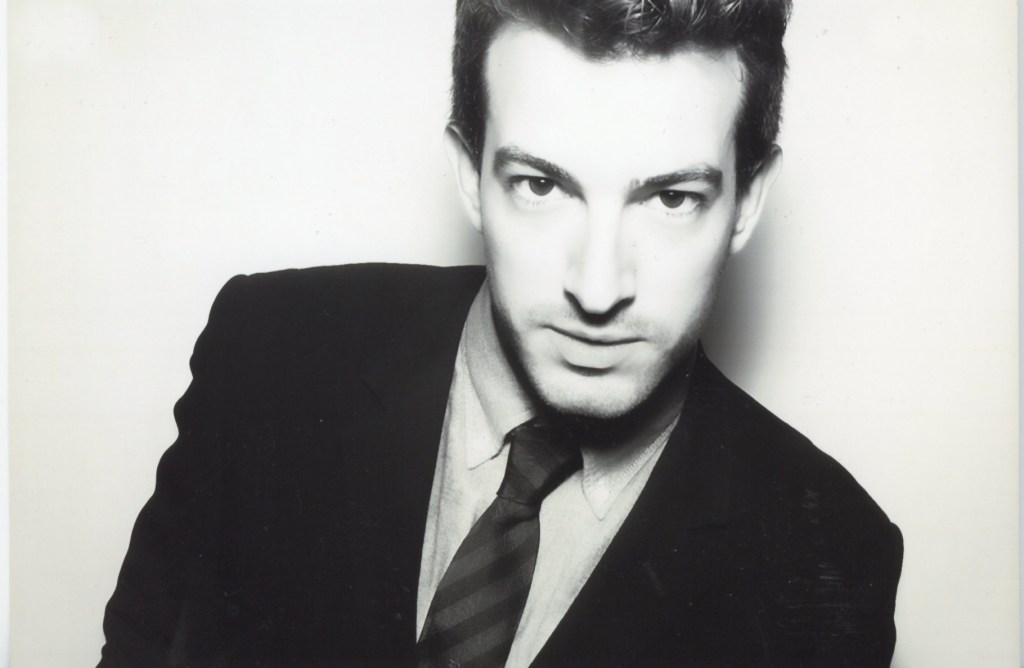
Best known for casting, producing and creative consulting, Andrew Broz has an impressive roster that boasts clients from Vogue to Escada to Playboy. I caught up with Andrew to talk about his impressive background, Kate Moss and the future.

I found it incredibly fascinating how you got started in the business. Tell us about that.

I was fortunate at a very young age, especially coming from a small city in Pennsylvania, to have parents who supported my love for the entertainment industry. I started working as an actor and model when I was 10 and then decided to open a modeling agency AJB Model and Talent Management, at 14 out of my bedroom. I was a precocious kid and it seemed to make a lot of sense at the time. There wasn’t much of a market in Erie so I looked for clients in surrounding cities, scouted models and things just happened from there. When I was 16 I held a modeling convention in Erie. I flew about 20 agents in from Next, Ford, Company, etc., and placed models in different markets. After that, I received a lot of press, especially given I was a teenager, and was offered opportunities in New York to work as an agent at some fantastic agencies. I took advantage of the opportunities and relocated to New York when I was still 16. Soon after, still in my teens, I was an agent in the women’s division at Company Management and Ford Models handling top models and household names including talent such as Lizzy Jagger (Jerry and Mick’s daughter), James King, Frankie Rayder and An Oost.

I went to university in Pennsylvania so I’m aware how rural it can be. How did you scout models and were you taken seriously?

You have to remember this was the nineties prior to social media. I had saved a couple hundred dollars and I took an ad out in the classifieds for models. Was I taken seriously? That was a concern of mine, I mean I was 14. As you mentioned, I wasn’t exactly in a metropolitan city, either. Everyone is so aware of scams but I wasn’t running a scam and I wanted to make people money. I got a PO Box and worked up the courage to meet the people in person. So many people are excited to model in general and I was genuine. I worked really hard to obtain clients and bookings for them. I would call ad agencies and photographers and I contacted companies in Cleveland and Pittsburgh, which were two hours away, and book jobs for my models. I was really proactive about it.

You were obviously very focused and ambitious. Did you have an end goal in mind?

I was going with the flow but I knew I needed and wanted to go to New York to be an agent. At that age, I didn’t know specifics about where I needed to work. One of the agencies I had tremendous respect for was Michael Flutie and Company Management. I was very impressed with the creativity and imaging of that agency. I thought it was fantastic.

How do you define your role in the industry?

My role is constantly evolving, as is this industry. I have had the privilege of working as an agent for some of the top agencies and top models in the business. I have also had the opportunity to work for hundreds of large brands, top photographers, art directors, stylists and designers as a casting director and consultant. If I had to define my role, I would say vast and well-rounded.

A constant criticism leveled at the fashion industry is the lack of diversity whether that be age, weight or race and tokenism. What are your thoughts on this?

That’s a very layered question. I’ve worked both as an agent and also in the casting room. As I mentioned, I think this business is contantly evolving. Do I think it’s perfect with race or ethnicity? No, not at all. Do I think there have been major improvements? Absolutely. There are now cosmetic and advertising campaigns that are using models that weren’t used 10 years ago. That’s a fact however there’s still room for improvement.

I also think that there is room for diversity in age and weight. A lot of mothers and the public and accomplished models in this business are concerned about this. There is a significant age issue in this industry. It wasn’t like that as much before. So things change. I think it’s good that designers will book models from the nineties occasionally for their shows. On a personal level I’m more into models looking like women. I think that also allows younger girls to develop and grow into themselves physically and mentally. There doesn’t need to be such a rush.

Model watchers tend to be obsessed with the issue of “good casting/bad casting”. Do you subscribe to this idea?

Well, someone who is labeled a “model watcher” tends to be obsessed with most things in general. The concept of good vs. bad casting is completely relative. There is no “right” and there is no “wrong”. There are many cooks in that casting kitchen when a decision is made and a model is selected. It’s also important to remember that casting is not based on just a model’s looks alone. Many things often go into selecting talent. For example, many creative people never think about or have the knowledge of the actual sales of the line or company – or maybe have no access to those numbers. I have yet to meet anyone, including myself, that has the actual right to announce something as definitively good or bad casting.

How does it differ working in a more conservative market such as the US versus the UK or Europe?

Of course, there are the obvious differences, as you mentioned the term “conservative”. There are also different laws that must be adhered to in these different markets. Other than that, based on all of my experiences, I do not find my interactions that much different from various countries. Please remember that it is often just the same exact teams of photographers and stylists that work in all of these areas, generally.

Are there any models at the moment you think have potential longevity?

Absolutely. Many will say this industry is not what it was 10 or 20 years ago. I agree. That does not mean models can’t have longevity. There are many current models who are proving to have longevity while balancing a very diverse career, with both commercial and fashion clients. A lot of this credit should be given to their agents and managers as well.

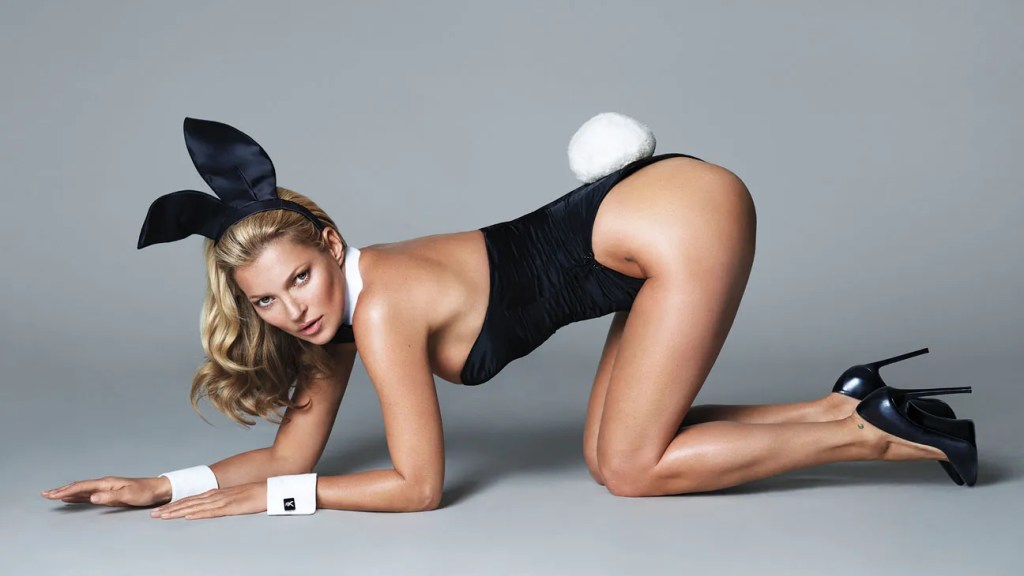
You were involved in getting Kate Moss on the cover of Playboy to celebrate her fortieth birthday. Tell us about that process.

That was a very exciting project to be a part of. The cover that Kate Moss appeared on was for the 60th anniversary of US Playboy. It happened, I believe, to fall around Kate’s birthday, but that was just a nice coincidence. Obviously, given that Playboy was celebrating their 60th year, they wanted an iconic cover. I worked very closely with IMG in order to secure this entire shoot and make certain Kate Moss appeared as the iconic talent that she is for this historical issue. Hugh Hefner always loved Kate and was delighted that this was able to happen. The process was not simple for me, as all of the individuals involved have quite busy schedules – however, it all came together in the end beautifully. Jen Ramey, who manages Kate, was very helpful with everything. Also, it was the first time that Mert and Marcus ever photographed for Playboy, Alex White acted as the stylist and Kate delivered amazing images as she always does. The issue sold in record numbers. I am very proud that I played a role in this and was thrilled upon seeing the images that were published.

What can we expect to see from you in the future?

I have been traveling a lot and, for the past few months, have been busy selling some property in North Carolina and looking after a family member who was quite ill. At the same time, I have been managing talent and casting shoots. However, I am returning to New York full-time in early June and you can expect to see a lot of wonderful things.
 

Jade Parfitt – Best of British

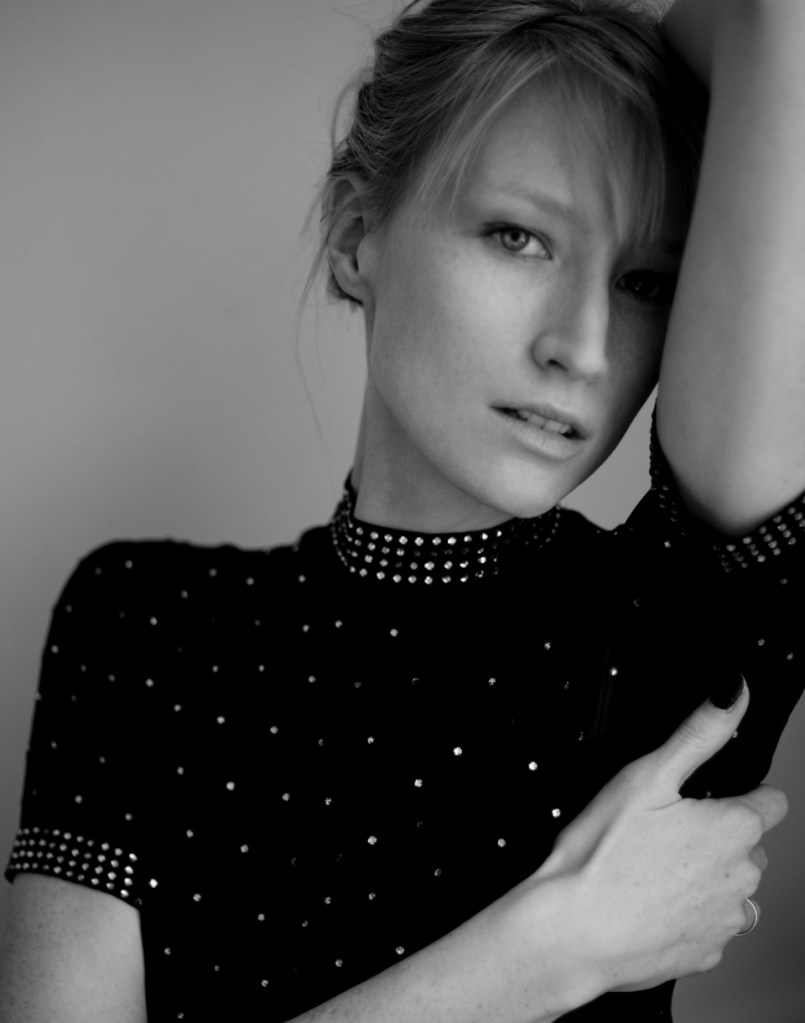
In the early nineties Jade’s mother entered her into a modeling competition on the This Morning show where she won a contract with Models 1. Soon thereafter Jade found herself among the crop of British models such as Stella Tennant, Jodie Kidd and Carolyn Park that epitomized the Cool Britannia era. Jade continued to work steadily and has branched out into presenting and her notable charity work. I caught up with Jade to find out what she’s up to these days and what she hopes to master.

How would you sum up your personality?

Wow! That’s a hard question to answer about yourself. I imagine people I know would say I am interested and curious, loyal, silly and a bit geeky.

What is something you want to master?

I have always wanted to master Art. It is something I never got the chance to do much of at school and I just think it would be so wonderful to be able to paint well.

What stresses you out?

I get stressed when there is nothing much going on. I like to be busy.

What song do you like to sing in the shower?

This is so hard just picking one. I would say ‘Jolene’ by Dolly Parton is one of my all time favorites.

What did you transition to from modeling?

All kinds of different fashion based projects. I put together three different charity events using my contacts in fashion to put on a great show, auctioning lots from designers and photographers from McQueen to Stephen Meisel. I took up presenting for British Vogue and became one of their main hosts conducting interviews backstage and at big fashion events and I still model from time to time.

What did you learn from that transition?

I learned more and more how much I appreciate and love the fashion world. There are so many great people involved in the industry and it has been fun and reassuring getting to work with some of them on a different level. I am learning more and more to use those contacts I have made to go into new projects.

What were you most excited about on your first modeling assignment?

The first fashion show I ever did was for Prada. It was such a nerve-wracking and intense experience and I was so excited to be a part of it.

What one thing made you nervous about modeling?

Wondering what to do next! I had a baby when I was 28 and then had to really re-assess the way I worked. I could not be away from home so much anymore, so when Vogue asked if I would like to start presenting for them it was a good way for me to continue working while not traveling so much.

What one thing would make the industry better?

Chaperones for every model under the age of 18. I was very lucky not to have any nasty experiences, but I think when you are traveling so much and working so hard at such a young age you should have someone with you at all times.

What would your dream job be now?

I am still working on that. More of the same for the time being. I love that I do different things each week.

Follow her on Instagram

Michelle Alves – The Bombshell From Brazil

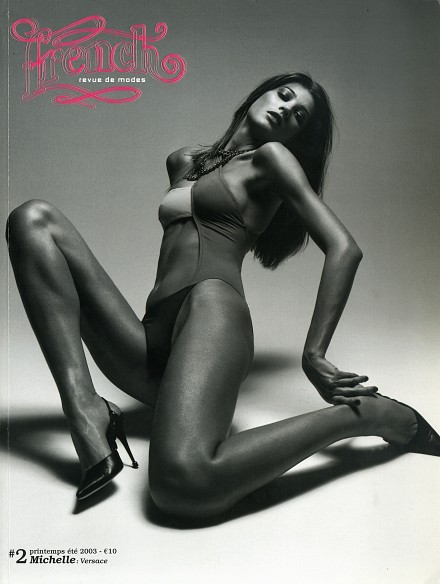
With more than 100 magazine covers to her name and contracts with ValentinoChristian DiorEscadaRalph Lauren, MissoniMichael Kors, Emporio ArmaniMichael Kors Swimwear and AKRIS,  Michelle Alves has maintained an enviable career balancing blue-chip bookings while remaining accessible. I caught up with Michelle as she talked to me about modeling, her family and goals for the future.

You studied civil engineering before you started modeling.  Tell us about that transition.

I’ve always been a tomboy. I was a karate state champion before I decided to study engineering at university. At the same time, I was the girl who used to make clothes for my dolls. I had a few dolls and a sewing kit was one of my Christmas presents. I watched the Paris couture shows never imagining that I’d do that one day. I was mesmerized by the level of creativity and it would take me places in my head. I think these two things will always be inside me.

You have been able to maintain a successful commercial career with brands such as Victoria’s Secret while maintaining blue-chip bookings with Armani, Dior et al. How do you think you’ve been able to remain accessible without losing your exclusivity?

I’ve always been thin but I also have curves. I think the combination of both helped. When I was building my fashion career my looks were in vogue at the time and I was lucky to have a major photographer like Steven Meisel supporting me. Of course, you need to have a good agent behind you too.

​What have you discovered about yourself through modeling?

1. If I truly want something and believe that I can have it I will.
2. The most important thing for me is my family.
3. I can go days without eating or sleeping and survive thanks to the intense work schedule around show seasons.

​If  you weren’t modeling what would you be doing?

I’m not sure if I would be an engineer but I’d love to be an explorer.

​What are your goals for the future?

I took some years off to have my children, so I feel that part is accomplished.  I’d love to really find a cause to support and have my work be the platform to promote it. I feel restless.

What would people be surprised to learn about you?​

That I have four kids? I always feel people are surprised when I say that. Also,  I love watching shows about ancient aliens.

What does success mean to you?

To achieve what you really want in your life. If it was getting that one job, having the car and house, having the heath to climb Everest, or having a family and living a quiet life in Hawaii. Success is relative to what each of us have as goal in life.

What’s the most interesting item in your fridge?

Aside from the breast milk? We have a big collection of goat and sheep cheeses as our family doesn’t really eat any dairy products and being a good Brazilian girl I have Vita Coco.

Who was the last person you called?

My husband. He is coming to town.

Last person who called you?

My friend Ana Khouri, who is an amazing jewelry designer. You should check her out.

Who do you want to go on a dinner date with tonight?

My husband. We are both in New York and we would probably go to our favorite restaurant Indochine.

Justin Teodoro: In Conversation With The Artist, Illustrator & Designer

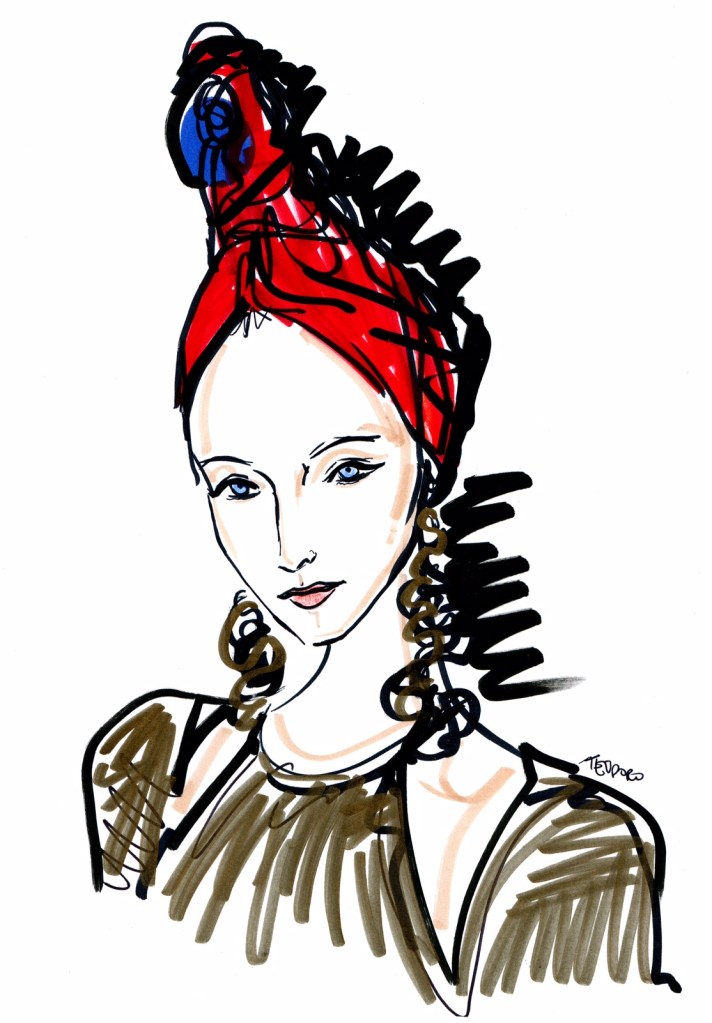
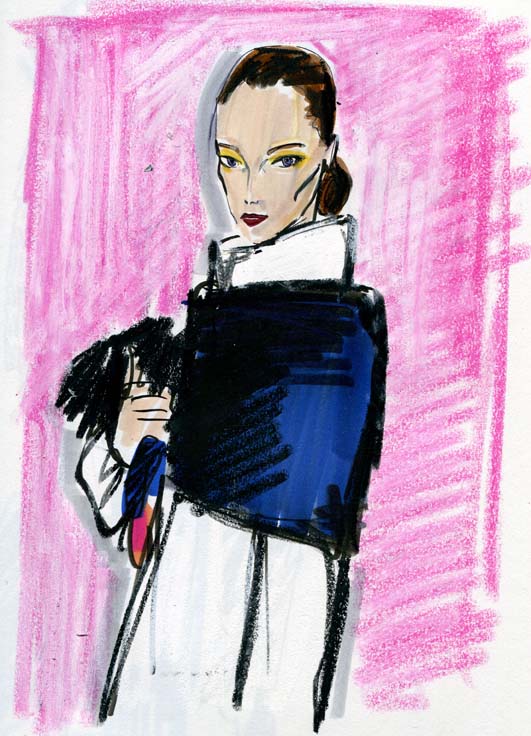
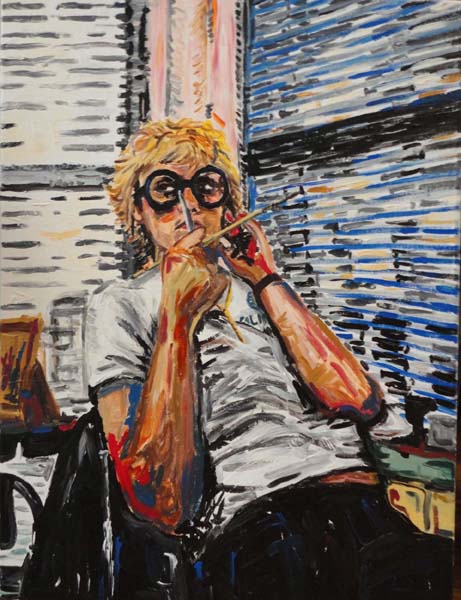
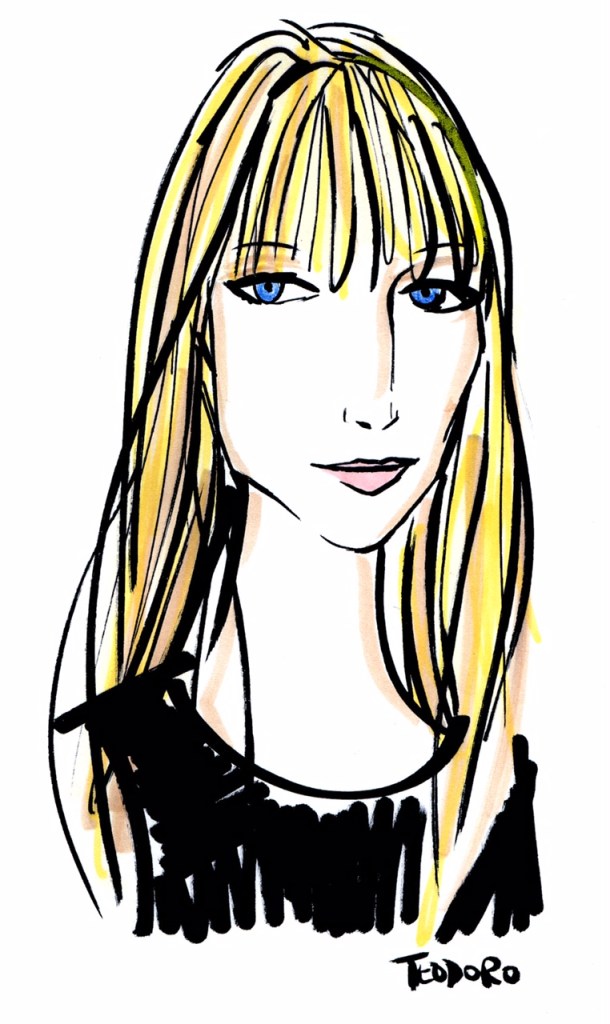
Justin Teodoro is a Canadian-born, New York based artist, illustrator and designer whose work was brought to my attention by Emily Sandberg . After graduating from Parsons School of Design, Justin began his career working for Tuleh, Cynthia Steffe and Kenneth Cole. His work has been featured on Women’s Wear Daily and Pantone. Unassuming, passionate and driven, I think we can expect big things from him in the future.

What were your aspirations when you were growing up in Canada?

I was always pretty much that art kid growing up – taking art classes and always drawing and painting.  I really didn’t know specifically what I wanted to do as a career but I knew it had to be something in art and design. Fashion was always something that was in the back of my head.  I remember being 10 and discovering my mom’s fashion magazines for the first time (she had all these subscriptions to Vogue and Harper’s Bazaar) and I began to just devour them every month, studying them feverishly back to back. It was fun for me to draw all those amazing and inspiring editorials and the glamorous models.  I really do believe I learned how to draw and illustrate from copying those fashion magazines.

I dreamed of doing something in fashion and to be in that world but for whatever reason I never thought that was a possibility for me.  I thought you had to sew and do all that stuff to be considered a designer. I knew I just wanted to draw it all.  After I completed my undergraduate degree in Toronto, I did a bunch of odd jobs. My only real career before fashion was the five years I spent as a Starbucks barista.  When I read about the fashion program at Parsons in New York City I thought this could be my shot and I went for it.

How did your time at Parsons help shape you and hone your craft?

For me it was all about living in New York City and pursuing this dream and just being ready and hungry to work hard to make it happen.  I was beyond thrilled just to be there.  I did a two-year Associates Program in Fashion Design at Parsons and that was a great introduction for me.  I was learning all the basics like draping and sewing and pattern making for the first time. I understood early on that I needed some outside experience to see what being in fashion was really all about.  Realistically, there is only so much you can learn inside a classroom for a career like this. I landed my first internship with Tuleh, a luxury design house in the Lower East Side.  As an intern there, I was doing everything from production errands in the garment district to sewing labels and making drop offs as Bergdorf Goodman.  I really saw the teamwork that it takes to make it all happen; it’s never about a singular effort but a group who makes a vision possible. That was a real education and stepping stone. Eventually I was hired as a design assistant at Tuleh and everything just happened from there.  It is a lot of hard work working in fashion but I made it my point that when I love what I do it shouldn’t seem like work at the end of it all.  I’ve always believed that this type of work should start from somewhere fun and happy because if it’s not, then what’s the point?

What impact has social media had on your career?

Social media has been amazing.  From the obvious advantages of having my work seen by a whole new audience, I’ve had some really amazing responses and support from everyone.  From the likes and comments to special projects and commissions, social media has been a huge net worker for my career. I see it like an online gallery.

Where do you draw inspiration from and how does it influence your work?

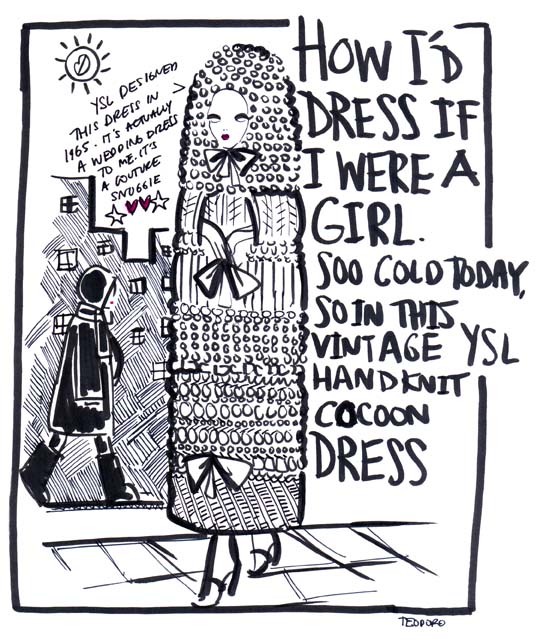
I’m inspired by a lot of things.  I’m a huge researcher and I love to go on Tumblr and blogs and pull images and visuals (I think I have too many folders on my computer just of research images).  I love to look at old magazines and art books and watch movies and videos for inspiration.  My tastes are varied and  range from so many different things that I do find that it makes my work and its style eclectic. I’ll jump from fashion illustration to more graphic line drawings to sometimes comic style doodles.  A lot of the drawings I do everyday are just things I respond to in the moment from a great fashion image to what my friend is wearing to something cool I see on the street.

What was it about illustration that you were drawn to?

It really is just wanting to see what I like in front of me on paper.  When I was little I drew cartoon characters so they were on the page in front of me. When I see a cool stylish girl on the street today I want to draw her because I want to create that same image in my own style.  I guess it’s my own form of documentation.

When I was working as designer, I would always start off with the illustration of the girl in the clothes.   To me  the mood and the attitude was always important. Illustration became the stronger part of my design process I guess. t was fun for me to create that world where, yes it was about the clothes, but it was more about the vision and the personality of that character.  I started really getting back into my own illustration work in the last few years and had my blog to post all these drawings I was making.  Then I slowly started to take on more illustration type projects that I soon realized that this is my own unique design voice.  So my own pendulum swung back toward illustration and art but with my fashion background.

What are you short-term and long-term goals?

I relaunched my website where I show my work online and sell a capsule collection of products from T-shirts to illustrated prints and iPhone cases and tote bags. I’m working on a few more projects focusing more on my fashion illustration work and  I want to get back into the more personal art project ideas I’ve had stewing in my head for a while.

In the long-term I’m building my brand and body of work at a more established stage where the categories of my work are expanded. I would love to do custom illustrated textiles and have the freedom to create all my ideas.  I’d love to eventually have a retail/gallery type space where I can show my original artwork alongside merchandise like my printed T-shirts and house all my ideas and mediums under one roof.

How have you evolved as an artist and person?

I always think we are evolving as people so it’s hard for me to say but I do know that I’ve made a point with my work to try to create things that are important to me and that I like. I think also knowing that we are always evolving takes away that pressure of having to have all the answers upfront.  It is more fun to explore.

Often times an individual’s cultural frame of reference can be vast but their tastes are of the moment. How would you describe your tastes?

My tastes are pretty eclectic and range from such high to low things that it’s all a pretty vast collage of ideas.  I try not to shy away from that because that is essentially who I am.  I’m always interested in what I see around me and I want to capture it all through my work.

How do you maintain your artistic integrity while producing art that is commercially viable?

I think it’s important for me to always make something I like first. If I don’t like it, why would I want to do it?  I think having that as a starting point makes whatever I end up creating have an integrity from the beginning.

Follow him on Instagram

In Conversation With Model Manager Gabriel Ruas Santos-Rocha

A journalist by trade, Gabriel Santos-Rocha’s foray into the world of fashion was fortuitous. From his hometown in Brazil to New York City, Gabriel’s path to being a model manager at Trump Model Management was long but incredibly rewarding. I caught up with him as he talked about his journey, what it takes to make it as a model and his continued passion for writing.

You studied journalism in your hometown of Porte Alegre, Brazil. How did you transition into scouting models for Marilyn?

That’s actually a funny story. One of my best girl friends was approached by Simone Lopes, who was a director at Marilyn in Brazil when we were out one night at a Madonna themed party. My friend asked me to come with her to the appointment. I knew nothing about the modeling industry. I was really into movies and music at that time, so I came, not thinking anything of it. A couple of weeks later my friend called me to say that Simone had asked her for my number, which we both thought was strange. It turned out that Simone had seen me around at parties and social functions and decided, for whatever reason, that I could be a good scout for them. So, I went in and realized that Marilyn was a fabulous opportunity and Simone and Zeca de Abreu, their President at the time in Sao Paulo, were unbelievably great people. We had a great time working together, they taught me so much, and still do. My girl-friend though, you might wonder, decided modeling wasn’t for her and is now a successful lawyer. She just visited me in New York last week.

After a successful run at Marilyn your talents caught the attention of Ford Models which eventually led to your position as Model Manager at Trump. Tell us about that journey.

You know, moving from Marilyn to Ford was one of the hardest things I ever did. I really felt like a part of a family at Marilyn, but making that move also meant growing up and taking actions toward building a career. At Ford I was given freedom to build something really cool with a very talented group of individuals, some of which ended up at other New York agencies like me and remain close friends and others have become very successful artists, like Andre Azevedo, etc. After a long run in Brazil, I owned my own company and was very successful in what I did there and that reflected a lot in my relationships in New York and Paris particularly, so it was only natural for me to make that move. I always wanted to live in New York, so I came here, and I had three very good offers, but the one I really wanted, which was Elite, was taking forever to get back to me. I went through a lot of my savings because I wanted to wait for them and had to pay the bills and I am glad I did. Elite was a phenomenal experience; I was able to work with some of the top agents in my field and learn many important lessons. Trump is an established company with a very experienced team of agents and somehow manages to maintain a family feel to it, which I love. We work hard here to build and nourish long-term careers and we are very selective with who we represent because we are smaller and we like it that way; we love that the girls walk in and feel like this can be an extension of their home.

What does a typical day look like for you?

There are many phone and email conversations and negotiations all day long. A typical day at the office is not nearly as exciting as one would imagine. We have a lot of interaction with the models who are constantly in and out of the office. Sometimes we go to their photo shoots. Many times we take clients or models out for lunches and dinners. If we’re lucky we get to go to a fun industry event after work every now and then, but trust me, we have a desk job like most people, it only involves a much more animated crowd with music playing in the background. And snacks, lots of snacks.

Modeling requires a certain physicality but beyond that what makes a great model?

A great model has to have a great personality, there’s no way around it. Some of the most successful models in the world are the ones who are playful, who understand fashion, art, etc. The girls who understand that they are a part of the creative process and make the best of their ability to collaborate in that process are the ones who succeed.

Tell us about the process of scouting a model to developing them to launching them.

Generally the scouting is all done by a specific team of people, in our case at Trump, Duane Gazi spearheads that team. Once he finds talent that he believes in and understands would be a great addition to our roster there is a process of development in which we work with the assets the girl already has from physicality to personality, to create a career plan and a path for each girl individually. Everyone is different and careers evolve according to each individual’s journey, that’s the fun part of the process. Sometimes girls need assistance in putting together their wardrobe, need a change in haircut or need English lessons, etc. Many times they don’t and it’s only a matter of tweaking their personal style to meet what the market is asking for at that particular moment. The team works together diligently to make sure that it all comes together for the time when the girl is put in front of the client; sometimes one chance is all they get.

How do you feel about criticism leveled at the fashion industry that there’s a lack of diversity?

I believe there could be more diversity, but I don’t believe that is only for the fashion industry, it happens across the board in the entertainment industry. Look at what just happened recently at Saturday Night Live. Yes, there needs to be more diversity in the fashion industry, but let’s not be mistaken, all ethnicities are represented and hopefully that won’t diminish and only grow; our fashion campaigns, runways and editorials should reflect the world we live in.

What advice would you offer someone thinking of embarking on a modeling career?

I would advise them to be patient and to not give up easily. I’ve seen some of the biggest careers happen after years of struggle and rejection; it happens when the time is right. Oh, and always listen to your agents, of course!

​The Internet has contributed to the democratization of fashion and helped demystify the industry.  Do you feel this has helped or hindered fashion?

It has made fashion more accessible to the masses and it has helped build bigger stars faster with the use of social media, but it has also played a negative role. Printed material is becoming extinct, and with that those types of rates and usages. The industry hasn’t evolved quickly enough to keep up with the velocity of the Internet unfortunately and it’s a fight we have to pick daily in every agency. We understand the value behind the work that is shot for the Internet and it has been a struggle to convey that message to clients. That’s how models make a living, from their image. Internet used to be an afterthought years ago and today is a major part of our business.

What are your short-term and long-term plans?

God, what does that even mean? My short-term plans are getting girls ready for the next season. My long-term plans include a home on a beach somewhere and feet in the sand, but I don’t think I will ever be able to stop working, my mind is restless and needs a good outlet.

What would people be surprised to learn about you?

Probably that one of my biggest passions in life is to write and that I love movies more than I love fashion (sorry!).

Follow him at @GabrielRSRocha and on Instagram