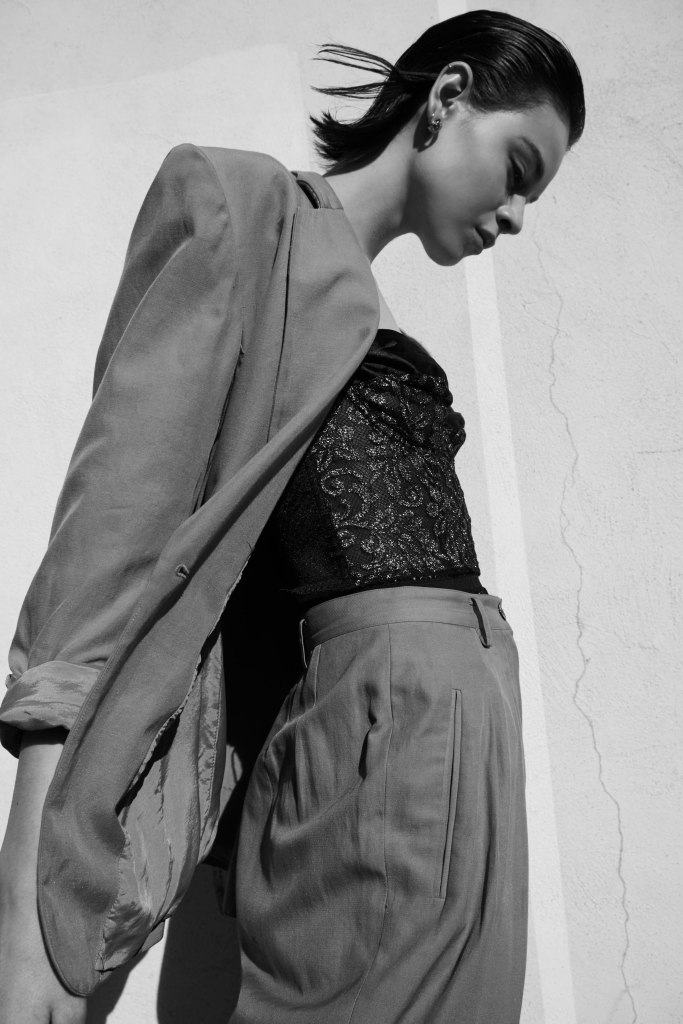
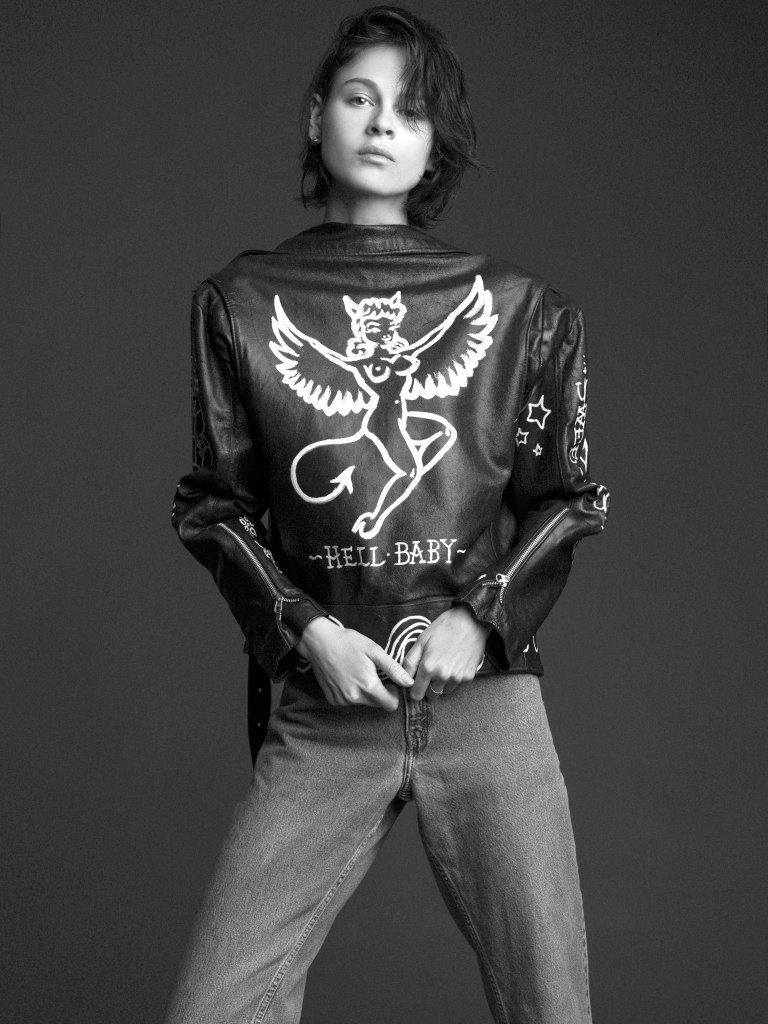
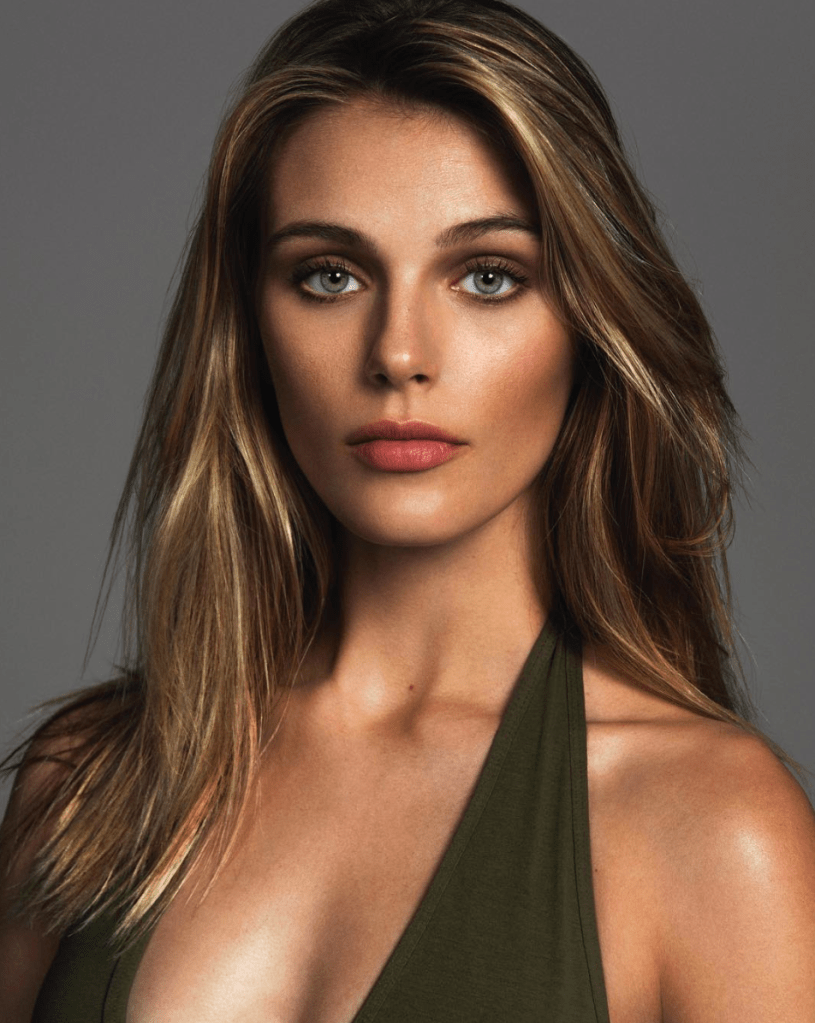
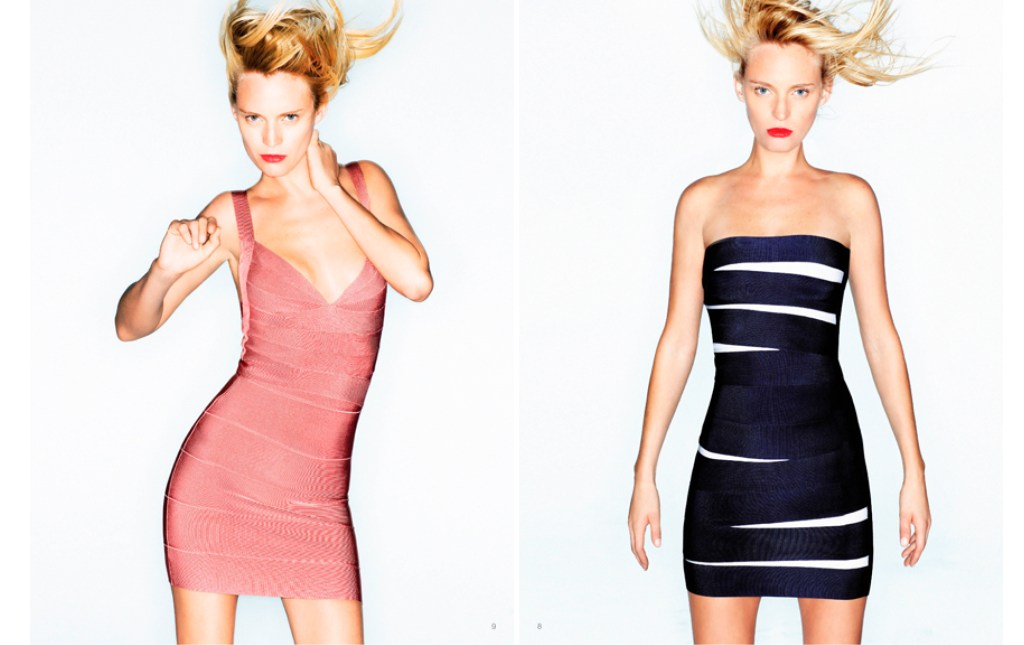
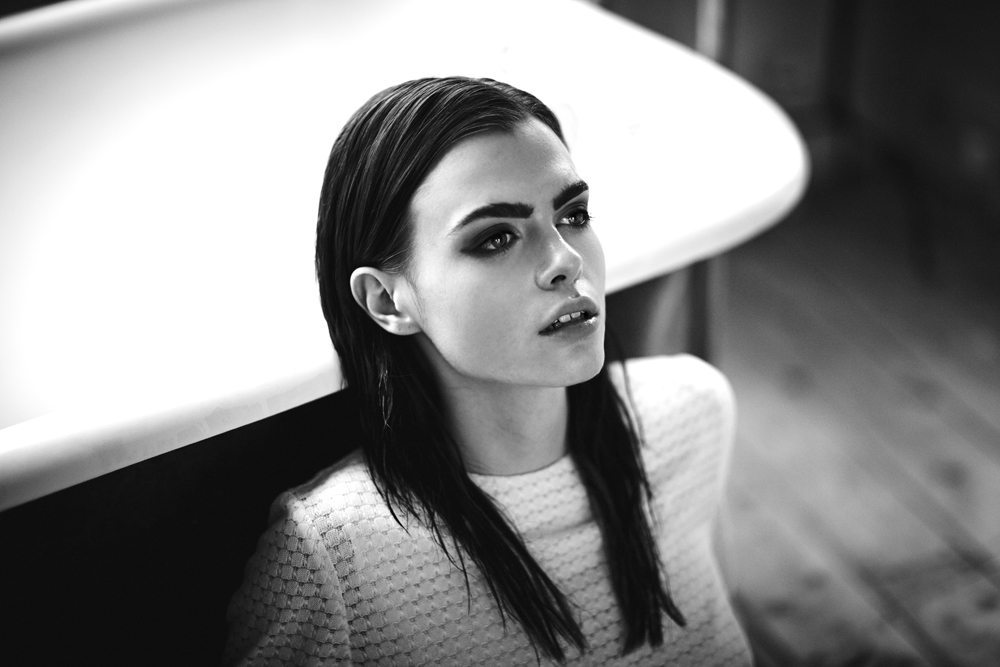
Scouted at the Minnesota State Fair, model Ana Cristina’s style is equal parts Spice Girl meets biker chic. A self-confessed loner, Ana divides her time between walking the runway for designers such as Akris and Marc Jacobs and developing her new creative outlet Hell Baby.
Tell us about how you were discovered.
I was approached when I was 14 at the Minnesota State Fair. I initially didn’t think much of it and didn’t sign until a few years later when I sent an online submission to Ignite. They were incredibly sweet; I immediately felt a lot of love and respect. They’re still my mother agent today.
Do you think beginning your modeling career at the age you did benefited you?
I’m not sure it has one way or another. It is possible to work hard in school and model at a younger age, but it’s much harder and I’m glad I waited. Education was a big part of my life.
What’s been the highlight of your career so far?
I feel as if this whole thing has been very surreal and it’s hard to chose just one moment, but I would have to say my first New York Fashion Week show. I walked for Opening Ceremony S/S 16 and they had these dancers mixed in the lineup; the whole production was insane. I was listening to Planet Caravan by Black Sabbath to get into this chill mood before the show started.
Tell us about your creative pursuits.
Well I’m starting this line called Hell Baby! It’s reworked denim and leather; vintage finds that I’m painting, studding and embroidering. My goal is to inspire individuality and love through the clothing.
What inspires you?
Love, the protests, music, self-love, flowers, sex, movies, feelings, psychedelics, personal battles and the paranormal .
I heard you recently underwent a makeover. What inspired you to cut your hair short?
I’ve always wanted short hair and I was growing out my bangs so it just seemed like the right time. Mick Jagger’s shag was my inspiration.
How would you describe your personal style?
I’m not really sure. I love to be comfortable and wear layers but I also like dressing weird and sexy like a Spice Girl. My favorite shoes are my beat up creepers.
What would people be surprised to learn about you?
I’m a bit of a loner but in a good way. Going to shows or dancing by myself is no problem.
What are your goals for the future?
My ultimate goal for now is to save up enough money to move to South America after my modeling career is over. I want to live self-sustained on a farm; eating what I grow, painting, living simply, and being in the mountains is my dream. After five years or so I might move to another city for a few years. I want to see more of the world and live among all cultures.
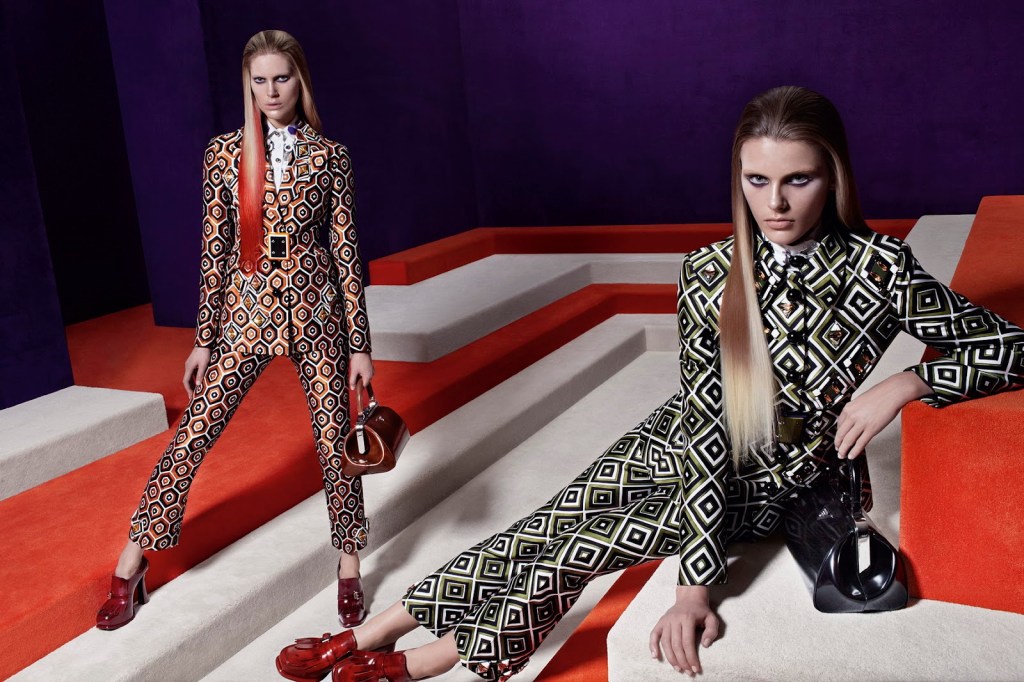
North Carolina native Madison Headrick has starred in campaigns for Prada, Calvin Klein and Vera Wang and graced the covers of Vogue Portugal and L’Officiel Thailand. This All-American beauty is just at home hanging out with friends at a BBQ as she is walking the international runways. Blessed with an incredible support network, Madison balances her time between fashion, activism and her family and friends.
Tell us about your childhood.
I was born in Charlotte, North Carolina but grew up in Charleston, South Carolina. I come from a big loving and very supportive family with three dogs, a younger brother and sister, and two superheros undercover as my parents. I played many sports as a kid but my favorite was competitive cheerleading. If I wasn’t at school or at practice, I was volunteering in my community or with The Boys and Girls Club. On the weekends you could find me on the beach, around a bonfire with friends, wake boarding, or having a BBQ cookout on the back porch.
Tell us about how you were discovered.
I was scouted by Tony Perkins at the age of sixteen. The following summer, I went to Los Angeles with my parents and signed with Vision. While I was there, I did a few test shoots to learn and feel comfortable in front of a camera. I received great feedback and landed some big jobs but because my high school only allowed five absences a semester, I couldn’t do much. I took a heavier class load and graduated a semester early to get a jump-start on my career. The moment I graduated was the week after my eighteenth birthday and I flew straight to New York. My first week in New York, I signed with an agency and landed an exclusive with Prada and it all started from there.
How does your background influence your approach to modeling?
I have been blessed to have such a strong support system throughout my career. I have the most loving and supportive friends and family who have been my biggest fans and cheerleaders through all of the ups, downs, victories, challenges, amazing jobs and the lack there of. I am passionate about modeling and am in love with this journey but the industry can be very tough and emotionally draining. Having a background of a big, warm, happy group of people who love me and want the best for me gave me the confidence to step outside of my comfort zone in my work. I work hard and strive to be the best I can be because if worse comes to worse, I have a big hug waiting for me anyway.
What are the biggest challenges you face modeling?
I think my biggest challenge that I face is trying to stand out in the crowd. I’m not blind to see that when I walk into a casting, all of the other girls and I look similar. I think our generation is faced with the challenge of trying to be heard and attaining a large follower group. “Why should we choose you?” Now that celebrities, athletes, YouTube stars, etc can be models, it makes our industry much more competitive and challenging. The way I see it is that this wouldn’t all be worth it if it was easy. These challenges are what makes this job fun, new and exciting. I’m always up for challenges.
How do you define your personal style?
Honestly, I would say that I’m a bit of a chameleon when it comes to my personal style. If I’m running errands in SoHo then meeting a friend for lunch, I love a chic casual look like my vintage high waisted Levi jeans, black pumps/booties, and oversized sweater. On the contrary, if I’m playing paintball or going bowling with my girl friends, I have a very tomboy look in my Adidas sneakers, ripped jeans, Alexander Wang crop top and a backward UGA football cap. Taking it to the red carpet, I love an elegant/classy look. My personal style depends on my mood for the day.
What’s on your radar at the moment?
At the moment, I recently joined a group called Model Mafia that was founded by Cameron Russell. It is a group of model activists that want to make a difference in the world. I’m really excited to start volunteering with such an incredibly inspiring group of women.
What would people be surprised to learn about you?
I’m a very real person. I’m outgoing and adventurous and am always up for a good time. I have a loud laugh and an even bigger smile. If we can laugh together, we will be friends forever. I would do anything for my friends and family. I am fortunate enough to travel to the most beautiful places in the world and be surrounded by creative and fun people and my life can come across to many as glamorous but don’t be fooled. I still love to show my goofy/real side on Snapchat (ex: all of my cancelled flights, long work days, homesickness confessions, gross healthy food and of course my weird faces/voices/impressions).
What are your goals for the future?
My goal is to, at the end of my career, be proud and be able to say that I reached my full potential. My goal is to help save endangered animals and save our planet. My goal is to bring love to people who need it. My goal is to help those less fortunate. My goal is to make a difference.
Model Amy Wesson was a ubiquitous presence in the modeling industry in the nineties. She was the face of Calvin Klein, Missoni, Versace, Valentino, and walked the international runways for every major brand. The Smashing Pumpkins selected her for the cover of their 1998 album Adore, but at the height of her commercial success things were falling apart in her personal life. I spoke with Amy by phone about those days and talked about where she is in her life now.
I thought we could start with how you were discovered.
I was discovered by Linda and Peter Bennett of New York Model Contracts, I think that’s what the company was called at the time, and I was living in Tupelo, Mississippi. I was discovered at one of their modeling conventions and ended up going to Atlanta, Georgia for one of their conventions. You had to get two or more callbacks and you got a trip to New York. I ended up getting like nine callbacks. Not all of them were in New York, one was in Dallas and one was in Tokyo. I ended up going to New York with Linda, and met with different agencies before signing with Company Management.
Michael Flutie was at Company at the time, right?
Yes.
Once you signed with them did things happen fast for you?
Things happened very fast. I was a teenager at the time and I didn’t think I could be a model. I didn’t have any idea how it was going to go. One of the first photographers that I worked with was Ellen Von Unwerth and Mario Testino. When I was with Company I worked with them a lot. They were kind of the ones who started my career, and then I worked with Steven Meisel— Things happened really quickly for me.
Do you remember your first job with Steven?
You know—there were so many shoots—I don’t really remember the first time I shot with Steven. I do remember the covers that I did with him for Italian Vogue. There was one in particular with fake snow that always sticks out because it was so pretty. There were two or three covers that I did with Steven for Italian Vogue, you know, a lot of those really stick out in my head because those stories were beautiful.
Was that the point that things pivoted for you?
Yes, definitely. Mario Testino really started it off for me and then working with Steven was the turning point. I worked with the best. Richard Avedon was an amazing person to work with, I did Versace with him. I worked with Helmut Newton for an editorial job. I worked with Patrick Demarchelier and Steven Klein so many times. Some of the prettiest pictures I got were with Steven Klein. I was very lucky and fortunate to have the career that I had.
Were you aware at the time of just how big a career you had?
Yeah, I think so. I don’t know if I realized the cult following that I had. There are a ton of people out there that still post my pictures. I look back and wish I would have enjoyed the moment a little bit more and not taken it for granted so much. When you are young you don’t really take a step back and think, this is going to be over some day enjoy it while it lasts. I think I might have taken it a little bit for granted some times.
Things weren’t always so great for you. Are you okay talking about that?
Yeah, things were not always so great for me. I made a lot of poor choices with my addictions and now I’m sober. I have been sober from drugs for so long that I stopped counting. About 17 months ago I quit drinking alcohol as well. You know, it wasn’t something that I had an issue with but it was still an addiction. I had already quit drugs but I really wanted to get rid of alcohol too.
Did you feel that you had a support system during that time? One of the things that comes up a lot when I talk to models is how isolated they feel.
I was too young. I had my mom and I had my sisters but they all lived far away. I talked to them on the phone but that’s it. I didn’t have a great support system in New York. I had a boyfriend and I had some girlfriends but nobody that was I was very close to. Jodie Kidd, Bridget Hall and Astrid Munoz and I are still close. They have their own lives but I still consider them very close friends. Bridget lived right down the road from me in Brooklyn and she was a great support system. We spent a lot of time together, me and her. You have your agency but they also have 100 other girls to deal with. When things started to spiral out of control I was way too young to realize. When you do realize it you either don’t care because of your addiction or you don’t really know how to stop it.
What would you have done differently, if anything?
I don’t think I would have done anything different. I’m in a great place now. I have a beautiful two-year-old daughter, a really amazing 12-year-old son and a wonderful husband and an amazing support system. I wish I could have slowed down and enjoyed the moment a little bit more. I don’t really ever look back on anything and say I wish I would have changed that because then I might not be where I am at today.
Living life with regret is not useful, you know?
I had a wonderful career and I really am very thankful for what I had and the people that I got to know and the places that I got to go. That’s not something that happens every day so I’m very very fortunate.
Talk to me about the adjustment when you left modeling. How did that transition go?
I cut my hair off and was still using. Not as bad as I was during the height of my career, but I was still battling addiction. I cut my hair really short and my hair was a big money maker for me. I didn’t know that at the time. Then the work really slowed down. My niece got cancer and there were a lot of things going on. I missed being around my family a lot and I ended up going to Dallas for the summer. I ended up staying and not going back to New York. It’s really that simple.
How would you feel, when your daughter is older, if she approached you and said that she was interested in modeling?
Oh my gosh, no! I would have to be one of those moms who traveled everywhere with her just like Amy Lemons mom did. Do you remember Amy?
Yeah.
Her mom used to travel with her everywhere and she turned out pretty good. It can be a very dangerous thing but it’s a once in a life time experience. If she ever wanted to do it I would be okay with it but there would be some ground rules.
What did you discover about yourself through that whole process?
My head was up in the clouds a lot. Now I attend to the garden and during the summer I quilt. I went back to school and it allowed me to slow down and really do some of the things that I couldn’t have done before. I look back on it and it was just a great learning experience and it’s really what’s brought me to where I am today. If I hadn’t gone through all of these things I wouldn’t have my daughter, I would never have met my husband. My life would have taken a different road. I look back on it and I have a lot of fun memories, great experiences, and I just wish I would have enjoyed it a little bit more.
In the autumn of 2015, model Charli Howard penned an open letter to her then agency lambasting them for body-shaming her. The letter went viral and started a conversation about diversity and inclusion that continues to be part of the zeitgeist. As an advocate for women and body acceptance, Charli co-founded the All Woman Projectto empower women and present an alternative to the limited beauty ideal perpetuated by the fashion industry.
Were you surprised by the support you received when you spoke out against some of the unhealthy practices of the fashion industry?
Yes, completely. I’d felt so alone for such a long time that I suddenly felt people understood where I was coming from.
What role do you think social media has in changing the conversation?
I think social media is allowing women to have a voice for the first time. We’re going back to the old practices of brands listening to the consumer, rather than the other way round. I think social media has had a big influence on diversity within fashion. Natural things like cellulite don’t seem as shocking anymore.
What changes would you like to see implemented in the fashion industry?
I just want to see more diversity. As seasons continue, I think we are seeing that, but we still have a long way to go!
Tell us about the genesis of the All Woman Project.
The All Woman Project was created by me and my friend, Clementine Desseaux. We questioned why we rarely saw plus and straight size girls together in the same campaigns, so wanted to create beautiful imagery where size wasn’t a factor. The images are 100 percent non-retouched, which is incredibly important to us, and made up of an entirely female team. We truly believe women are beautiful and feel all girls should feel represented.
Why was it important to you to get involved with this project?
I wanted to create something that my old, fifteen-year-old self would’ve aspired to. I want to prove to girls that you are beautiful, regardless of your skin or body shape. I felt so insecure growing up so I hope we’ve made girls feel less insecure in some way, even if it’s very minor.
How would you like to see this movement evolve?
We want to continue this until we feel people aren’t shocked by seeing diversity. When diversity isn’t shocking anymore, that’s when we know we’ve done our job.
What message do you want people to get out of this movement?
That you are fine just the way you are. Yes, you may have stretch marks, and yes, you may have cellulite, but so do the majority of women. Just because you’re a model, doesn’t mean you’re exempt from that.
What can people do to get involved or show their support?
You can submit a video to our Instagram video series, upload a photo and tag us or write to us at hello@allwomanproject.com. We respond to every message!
As another year comes to a close I want to thank everyone for their continued support. When I started this site five years ago, I couldn’t have anticipated the reach it would have. I’m grateful to everyone that has contributed, shared and encouraged me along this path.