As another year comes to a close I want to thank everyone for their continued support. When I started this site five years ago, I couldn’t have anticipated the reach it would have. I’m grateful to everyone that has contributed, shared and encouraged me along this path.
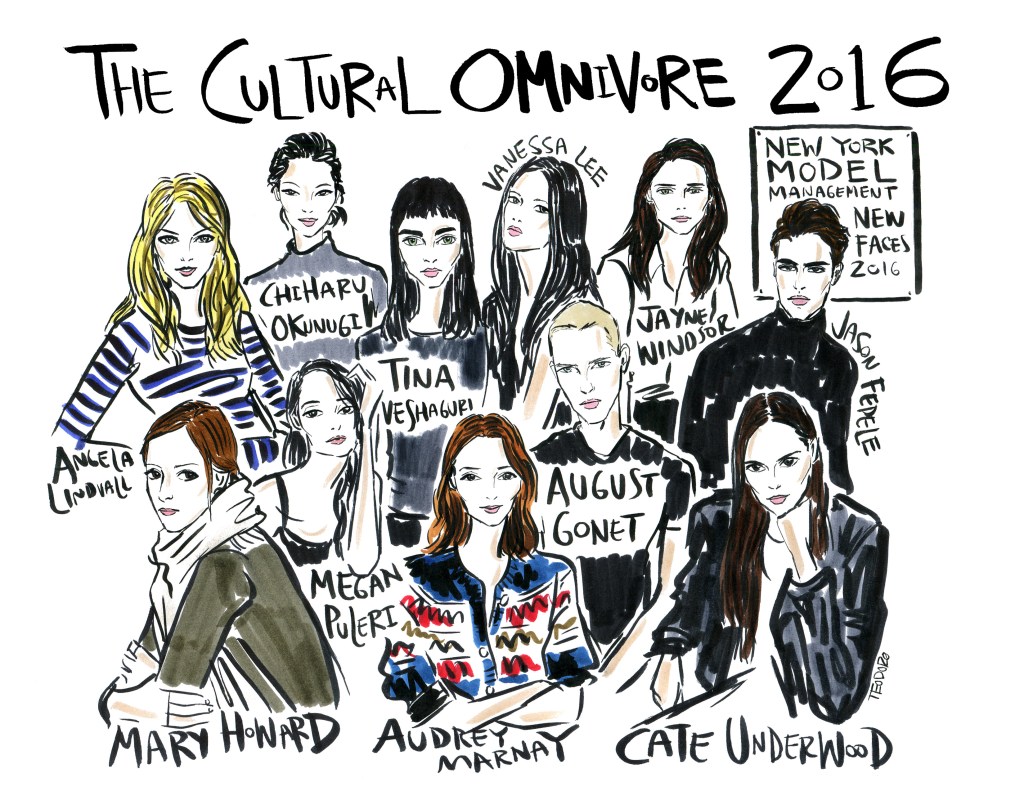
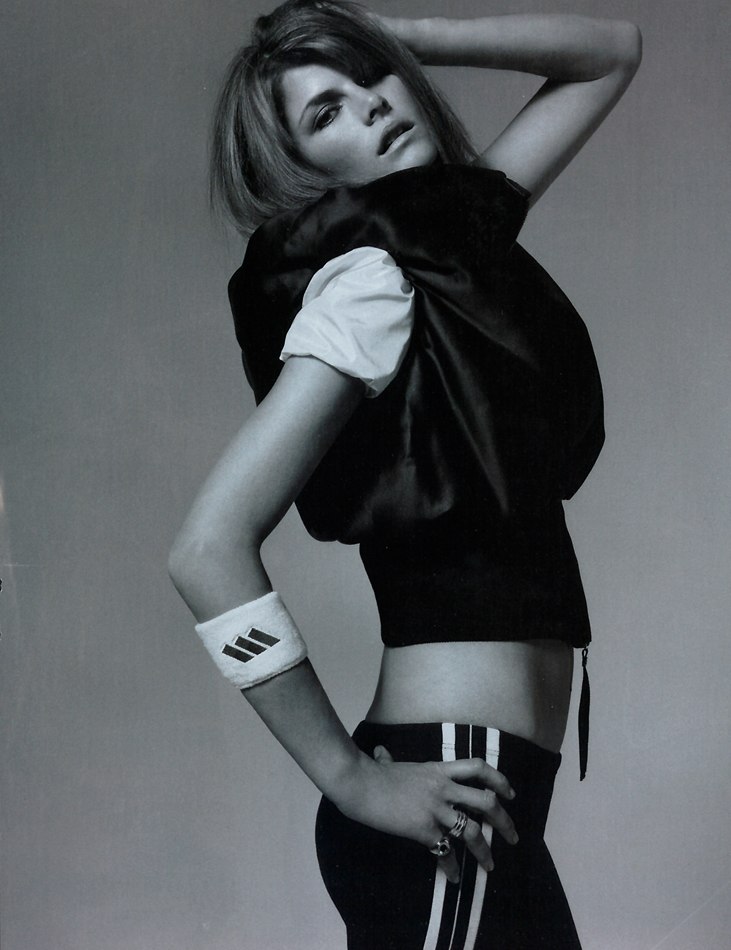
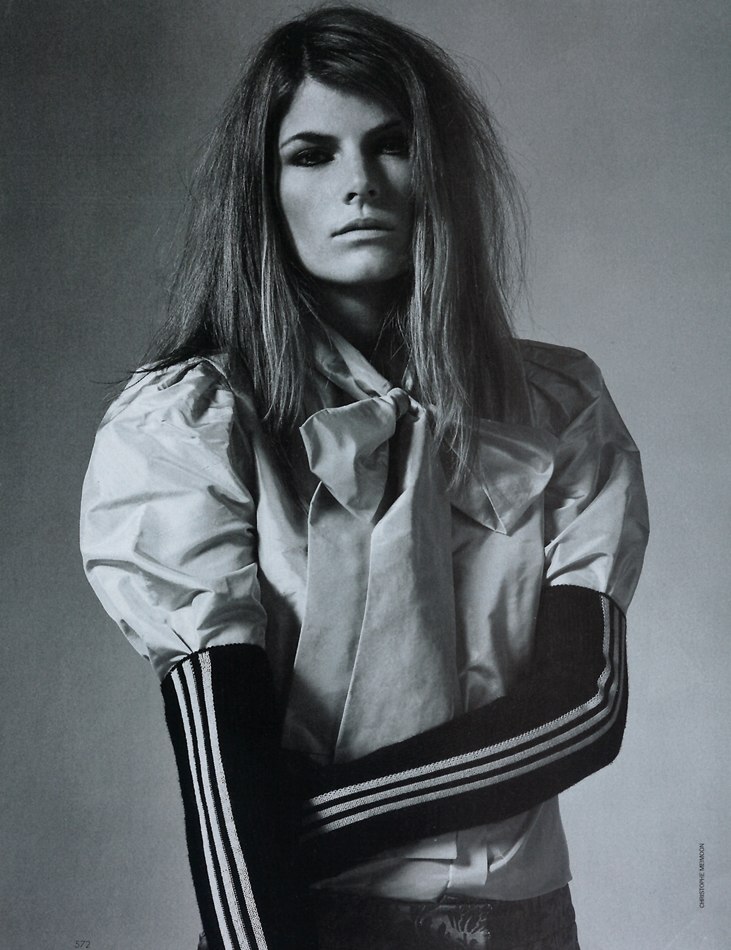
In the late nineties, northern lass Jayne Windsor could be seen on billboards everywhere as the face of power-house brands Calvin Klein, Fendi, Armani and Gap in addition to the pages of fashion bibles around the world. After being told she wasn’t photogenic enough to model, Jayne proved her detractors wrong and went on to have a successful career. I caught up with her to reflect on those times and find out what she is up to these days.
We often hear stories about models being discovered but your story is different. Tell us about how you got into modeling.
I was encouraged by friends to become a model, so eventually I plucked up the courage to approach some agencies. I first went to a local agency in Newcastle then to an agency in Leeds. When I walked through the doors of Models 1 in London they turned me away saying I would never be photogenic enough so I kind of lost hope a bit. The agency I was with in Leeds suggested I give Japan a try but as it turned out I wasn’t skinny enough for the Japanese market so I was encouraged to give Select Model Management a try. I did and they absolutely loved me and within a few months I was living and working in London.
Do you think you appreciated your career more because you had to work for it as opposed to having it handed to you?
I don’t think I appreciated my career enough back then and some days I would hate it as it was so daunting and sometimes disappointing.
What were some of the misconceptions you had about modeling?
I hadn’t predicted how hard it would be have a super demanding career along with children.
How did you stay grounded?
I was kept grounded because of my children and having to get back to them after a busy day. No after parties for me.
What are some of your memorable moments from the height of your career?
I look back at my career in the early days and think wow that was amazing and how lucky I was to have worked with such amazing people and getting to travel the world too. I have too many memorable moments to list but I worked with photographers David Sims, Mario Testino, Juergen Teller, Bruce Weber, Craig McDean, Regan Cameron and Peter Lindbergh and shot for magazines all over the world including Vogue, Harper’s Bazaar and Marie Claire. I was also the face of big name brands like Calvin Klein, Fendi and Armani.
You returned to the industry after a break. How would you contrast the changes in the industry to when you began?
After a break I returned to modelling and in some ways things had become harder. For example, in the earlier days, Select would send me on endless go-sees and these days it’s hard to get any go-sees at all, which makes it difficult for me living up north and not being able to make it for last-minute castings. I think shoots are far easier now with digital images instead of film when you didn’t quite know if they had the shot.
What did you discover about yourself through modeling?
I discovered how shy I was in the early days. I remember it being quite daunting having to meet new people on every shoot. It was like starting a brand new job every day but I soon got used to that.
What advice would you give to your younger self in hindsight?
My advice would be to try to enjoy every minute of it. It might be stressful, but it could all be over in a few years.
What are you up to these days?
These days I live near Newcastle in my home town with close family and friends around me. I’ve had a few exciting shoots recently and I’m very much enjoying it.
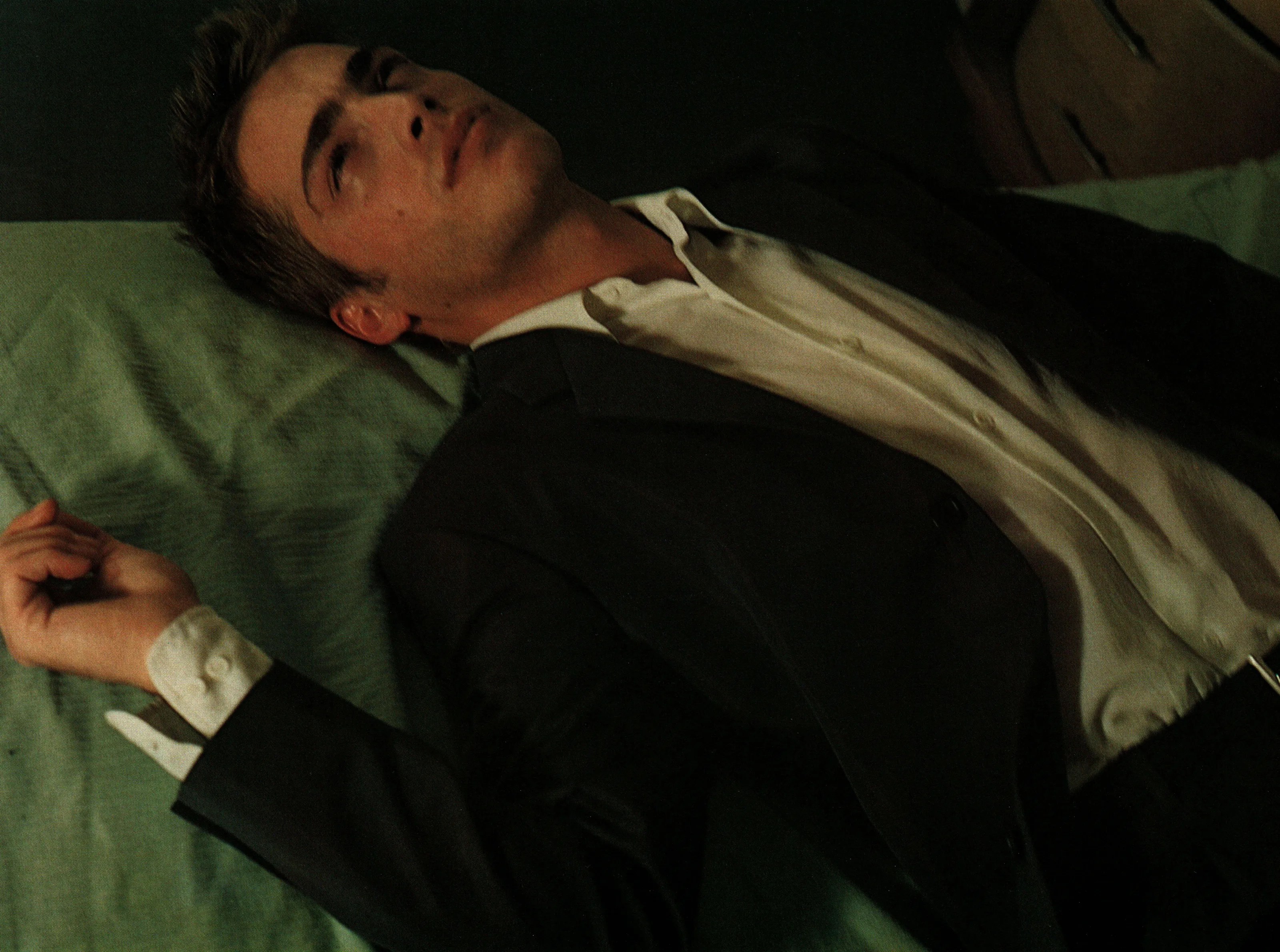
Jason Fedele was part of the group of American models that dominated the runways in the nineties along with Mike Campbell, Scott Barnhill and Jason Shaw. He has fronted campaigns for Versace, Gucci, Lanvin and Tommy Hilfiger in addition to appearing in numerous fashion bibles. Speaking from his home in Florida, Jason reflected on that magical moment in fashion.
Tell us about how you were discovered.
What’s funny is I did a shoot with Stephen Sprouse for the then unopened Club USA. It was a huge image that greeted patrons as they entered the club. But that didn’t kick-start any discovery. What did, happened a bit later and was straight out of a movie. I was walking down 20th Street in New York City, my hometown, and was discovered by renowned agent Rick Ferrari and Ingrid McAuliffe. As they walked past one of them shouted, “Hey, you look like one of our top models!” which is surprising because my hair, at the time, was long and down to my ass. I was in a heavy metal band at the time. For them to see that through all the mane is obviously what made them experts in their field. They were referring to Mike Campbell, with whom I share very similar looks. My reaction was of typical New York cynicism, “Oh yeah, I don’t feel like a top model” as i pulled out my empty pockets. I had just become unemployed and by divine intervention, the universe brought us together. I’m eternally grateful to them for the opportunity of a lifetime. Rick and I are still friends to this day.
You were part of the group of American models that dominated the runways in the nineties along with Mike Campbell, Scott Barnhill and Jason Shaw. In hindsight what are your reflections on that time?
It was a magical moment that I’m certain we are all appreciative of. It was the last great generation of models both male and female. The camaraderie was strong as we all got along having spent a lot of time together throughout castings, shows, campaigns and editorials in all the major markets; New York, Paris, London and of course Milan. Most of us have remained friends since and Mike Campbell and myself are still best friends. Our running joke over the years has been “different mother, different father, same dog” with regard to our similarity. In fact, when Mike had his son, he had two black labs, Rio and Zoe. At that time, Zoe was too rambunctious for a newborn, naturally, she came and lived with me. So the joke became reality. Life works in magical ways. I’ve been extremely fortunate, thanks to modeling, to have traveled the world, meet amazing people and work with immensely talented artists. I’m filled with gratitude to the many people who provided invaluable wisdom particularly Calvin Klein, Tom Ford and Bethann Hardison for whom I have great respect.
What would you say was the pivotal moment that changed the direction of your career?
I was fortunate that my career took off pretty fast. All of it is due to Calvin Klein who gave me my first big break. After a brief period of testing, he chose me to be the face of Calvin Klein for a 12 page spread in Vanity Fair. From the inside cover on, it was the pivotal campaign that jump started the fast and wild ride that afforded me so many fantastic jobs with Gucci, Versace, Hilfiger, etc. We had a close relationship and I understood his aesthetic. I was able to put his vision to the lens easily. My age had something to do with it I believe. I was a late bloomer in the world of fashion getting my break in the industry late at the age of 25. I had a little more real world experience than most, especially being a New Yorker. I understood the progressive nature of what was cool a bit more than the average Midwestern kid. That really helped me transcend into the Supermodel realm quickly. Tom Ford knew that as well which is why he made me his muse for so long during those amazing Gucci years. Tom and I developed an almost telepathic way of communicating. When you click with someone it’s easy to communicate in ways that allows the art to flow in its most raw, natural state.
You were a part of the pre-internet era. How do you think all of that compares to now in terms of social media and coaching?
The advent of technology, specifically social media, has radically changed the landscape of fashion and modeling as a whole. What was once a coveted, guarded process of discovery, grooming and managing of new talent for agents has flipped. No longer is there an exclusivity to models. Almost everyone has an Instagram account and if a prospect doesn’t have a ton of followers they aren’t considered. Instagram has become the litmus test for scalability and sellability. Kids today can brand and create their own cottage industry as brand ambassadors and cultivate their own businesses. Not to mention, the industry is predominantly celebrity driven. It definitely has marginalized the industry and has done away with the intimacy of creating individuality. Most insiders I’ve talked to agree, the business is not what it used to be. But isn’t that the story of technology? It supplants and replaces old ways of doing things with better (hopefully) and more efficient ways. On the other hand, it has reduced costs for agencies across the board. No longer are Polaroids or comp cards as necessary as they once were and the need for talent scouts is an antiquated job.
How did you deal with the pressures and scrutiny of the industry. Was it difficult for you?
It was probably more difficult for the industry than for me. I was a pain in the ass. Young, brash and fueled by ego, although I don’t carry regret, I do feel bad for the way I behaved in some situations and not taking my duties and responsibilities seriously enough. Since I was a bit older than the average kid, there wasn’t a lot of pressure or scrutiny that had an effect on me. Sure there was plenty of rejection, competition and the rigors of maintaining the “look” but for the most part, it was a lot of fun. I don’t think kids today will ever have the same experience as we did since most fashion houses are filled with corporatists and not artistic visionaries like Gianni or Calvin. There is so much history that these greats carried on and infused into their work. I think the pressures are different, albeit relative. I just didn’t feel them, it was not difficult getting paid huge sums of money to stand if front of a camera or walk a runway for 60 seconds.
What did you discover about yourself through modeling?
I discovered that I had a real, deep love for fashion. As a creative person, I loved the creative process, wearing the clothes and embodying what they represented. Watching the seamstresses ply their skill, designers scratch and replace months of work in an instant. Portray a story, a thought, an idea that was born in someones head and realized through you the model. It was very rewarding, gratifying and personal. Also, I have an androgynous side that was able to flourish in an overly sexualized industry. One of my favorite campaigns was for Gucci. We shot it in Palm Springs with legendary photographer, Mario Testino. Seated against a wall, I was wearing purple sparkle pants and, knowingly, I had my hands placed on the backs of my thighs with an erotic tone of suggestive sexual availability. I knew it would illicit desire and elevate the campaign to meet its expectations. Sex! It was always a joy to express myself in ways that were controversial, outrageous, anything that made the observer stop and remark.
What are you up to these days?
These days I enjoy quiet domestication on the beautiful beaches of the Gulf Coast of Florida. Music has always been a strong part of my life prior to modeling and continues to be. Like another dream life, I’ve been blessed to have been a professional musician for nearly 25 years. I write, produce and perform TV spots (jingles), record and tour with famous artists, most recently with the alt-rock band Seether. Occasionally I’ll get a call for a modeling gig that I’m always happy to do. I love fashion, the industry and the people I worked with and more importantly became friends with. It will always be a part of my soul, a love affair that will always have a place in my heart.
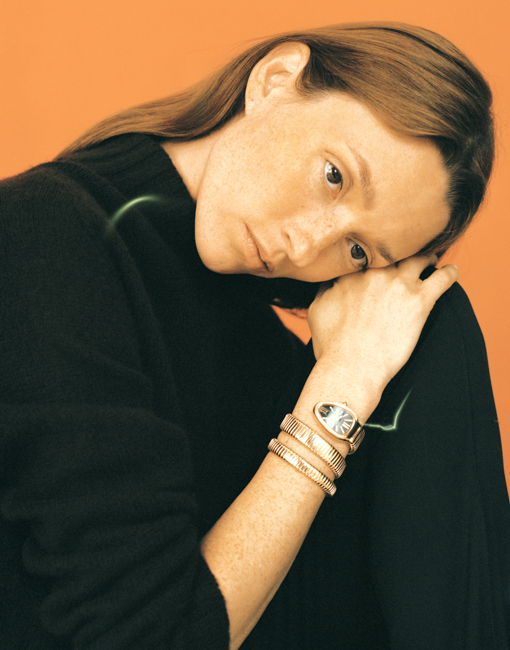
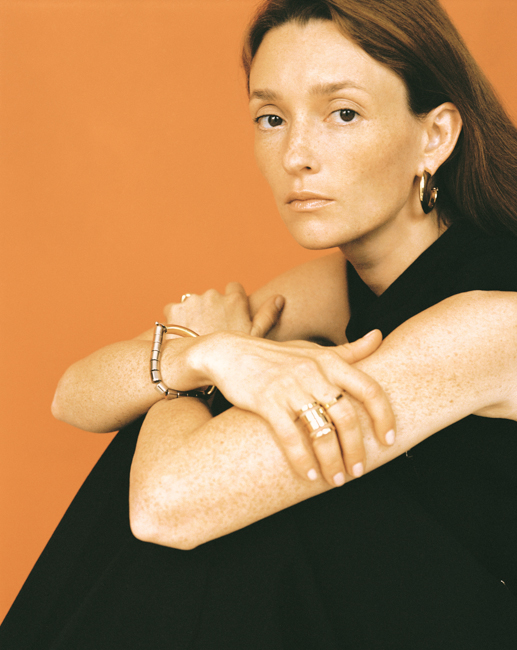
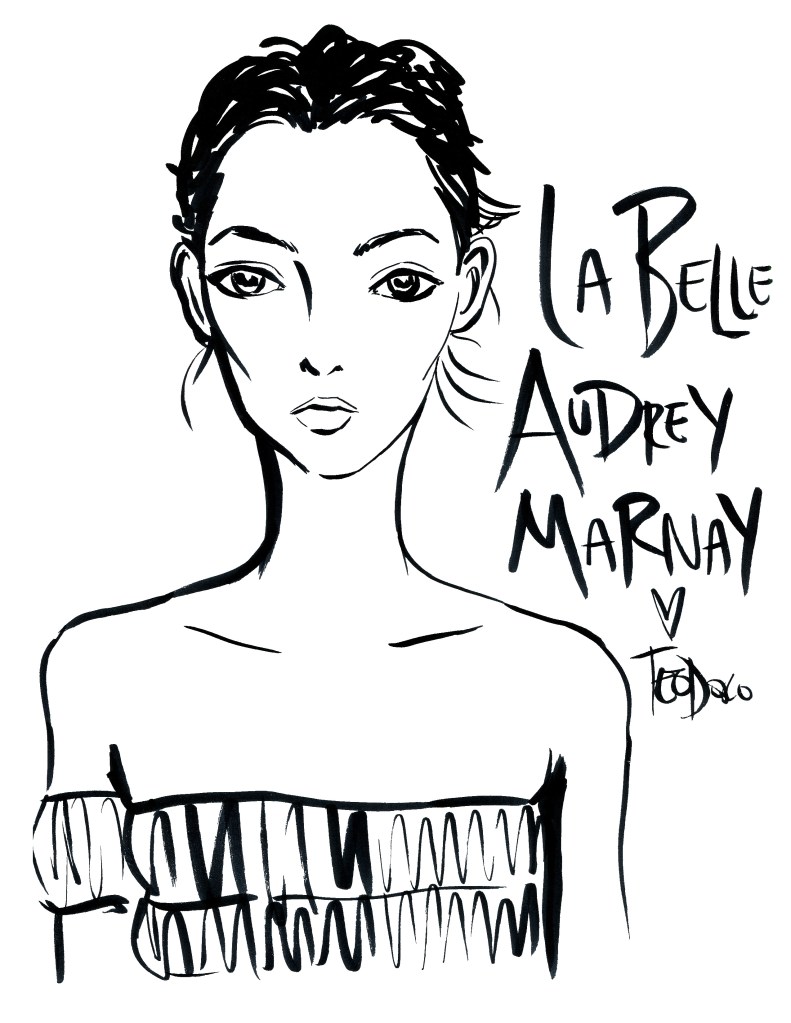
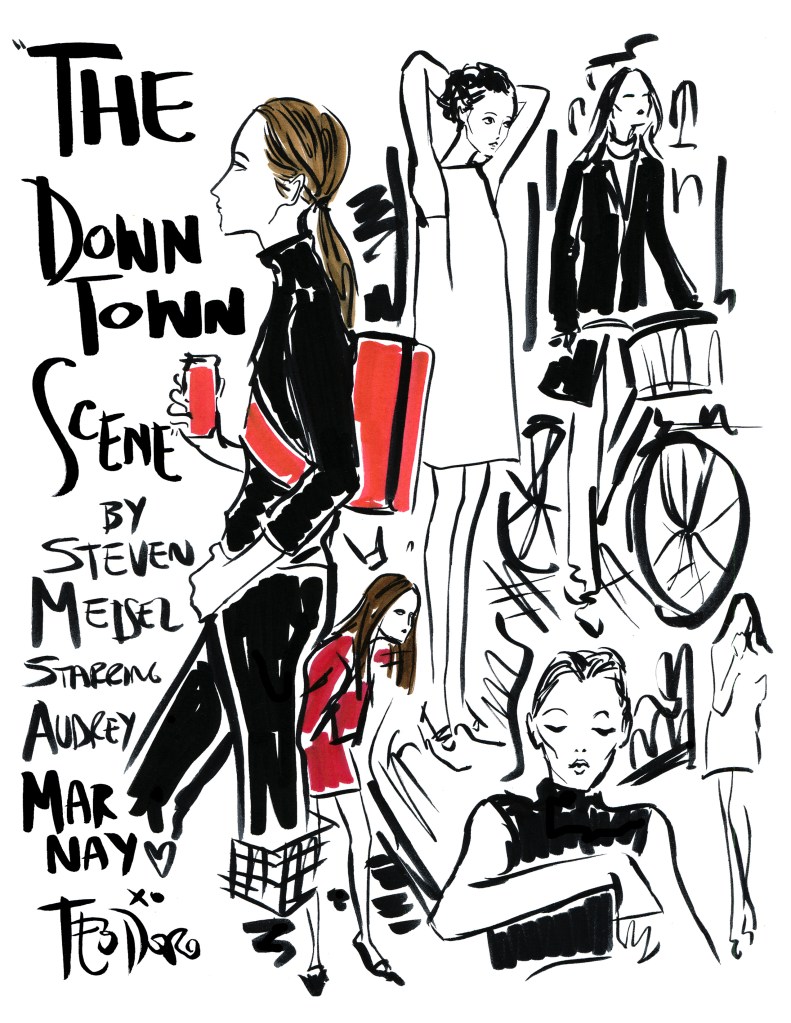
The nineties ushered in a new aesthetic showcasing the uniqueness and individuality of models. Audrey Marnay burst onto the fashion scene; a modern Audrey Hepburn, gamine, slight and lending a je ne sais quoi to everything she did. Noted among other models for her sense of humor, Audrey was a favorite of photographer Steven Meisel and designers of the time.
Nowadays Audrey can be found lending her voice to charitable organizations including Les Enfants de Bam and spending time with her own family.
You started your career as a model. Is the rumor true you got into modeling so that you could earn money to buy a bicycle?
Indeed it is true. I wanted to get a moped. I lived in the countryside with my parents and I needed to have a mode of transportation that could get me to the big city to go to the cinema and see friends. Instead, I moved to New York and bought myself a car at 18; my first child, a Mercedes Benz 280SL Pagoda from the 70’s.
What were the most memorable moments about your career?
There have been a lot. My favorite designer, as a teen, was Jean Paul Gaultier and I got to walk as the bride in his couture show. I was so emotional that I was crying while walking. Going to the White House for Annie Lebowitz’s book launch Women and meeting Bill and Hillary Clinton and walking in the Michael Kors runway show in Los Angeles on Steven Spielberg tennis court.
What did you discover about yourself through modeling?
I discovered a passion for clothes and luxurious fabrics. I knew I already loved clothes but it became amplified. I started modeling when I was 15 so modeling shaped my life. It gave me ideas about jobs that don’t get talked about in school as options for your future.
In addition to modeling you’ve acted and worked as a stylist. What do you find the most rewarding and why?
I love to try new things but always with a common thread among them. I designed for Claudie Pierlot for a year in 2010. It was fantastic. I chose fabrics and sketched, although I draw like a kid they had professionals to help me. Acting felt like a continuation of modeling in the sense I always played roles in magazines stories, so I was a silent actress. Today I am having fun with my YouTube Channel where I can express what I want and give to the people who watch. It’s rewarding; I am doing it alone, building my little world and being in charge of it.
Tell us about how you became involved with Les Enfants de Bam.
I discovered them in 2010, through my kid’s school. I always wanted to help but was never able to choose from all the many causes. I went to Burkina Faso to be sure we were helping and it was the most magical moment of my life. When we went to visit they felt so happy just knowing someone was thinking about them it made their day.
What does your role as a sponsor involve?
I try to find ways to raise money. I created a cocktail for the Bristol Hotel in Paris. I worked with Bonpoint, Chevignon, designed a bracelet for Etername and created one bag a year with Sous Les Paves and sold them at Colette and Montaigne Market. I’m fortunate they have been so kind and generous enough to help us.
How can people get involved with Les Enfants de Bam?
There is one simple thing you can do; sponsor a child. Our family sponsors one student each and we receive letters from them through the year.
What would people be surprised to learn about yourself?
It’s hard to say. I cook, I drive fast cars, I have three children and I love photography.
Japanese stunner Chiharu Okunugi at New York Model Management has been a presence on the world’s runways since her Spring/Summer 2012 show debut. Whether she is starring in campaigns for Chanel, Dior or Céline, Chiharu lends a sophistication and elegance to everything she does. However, behind the beautiful exterior lies a strong work ethic and focus. For hopeful models aspiring to break into the industry, Chiharu’s agent Marina Fairfax has some words of advice, “Work hard and give this your one hundred percent focus; it’s not a job that can be done halfheartedly. It’s a competitive market and if you want to be signed then you have to be better than everyone else! When you are a new face and just starting out; never be late, rude or not looking your best – you can never redo a first impression.”
Tell us about how you were discovered.
When I was 16 I was scouted at a train station by a woman who worked at a modeling agency in Tokyo. I signed with them after that.
What were some of the misconceptions you had about the modeling industry when you entered it?
The first time I went to Paris for Fashion Week I thought it would be easier but it was really hard work going on castings and fittings for all of the shows. It was also the first time I went to another country all by myself.
Tell us about the challenges you’ve had to overcome in your career.
The biggest challenge was learning a new language. Before I started modeling I didn’t speak any English.
What are the most memorable moments of your career so far?
I was booked as an exclusive in the Balenciaga 2013 S/S show. I believe that changed my career a lot.
How did you feel when you received your Vogue Japan Women of the Year award?
I was so happy when I heard the news – it was an amazing moment for me.
What do you miss most about home when you are traveling?
I miss Japanese food and my bed. Sometimes it’s really hard to find good food and I can’t really sleep if I’m not in my own bed.
Tell us about your goals for the future.
I want to keep modeling as much as I can. I really love my job and I think that this is my calling.


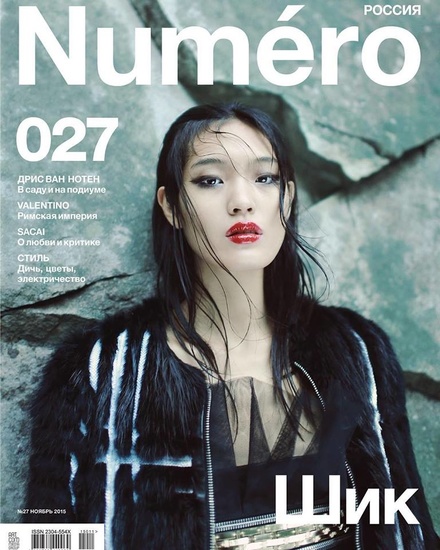
 THE CULTURAL OMNIVORE